Care by age
Toddler care, eighteen months to two years
Walking changes everything about a room — the furniture, the floor, the amount of the day spent outdoors, and how much of it is spent negotiating.
A toddler is a person who has recently discovered they can go somewhere and has not yet discovered why they might not. It is the most physically demanding year to staff and, for a great many families, the most bewildering one to parent.
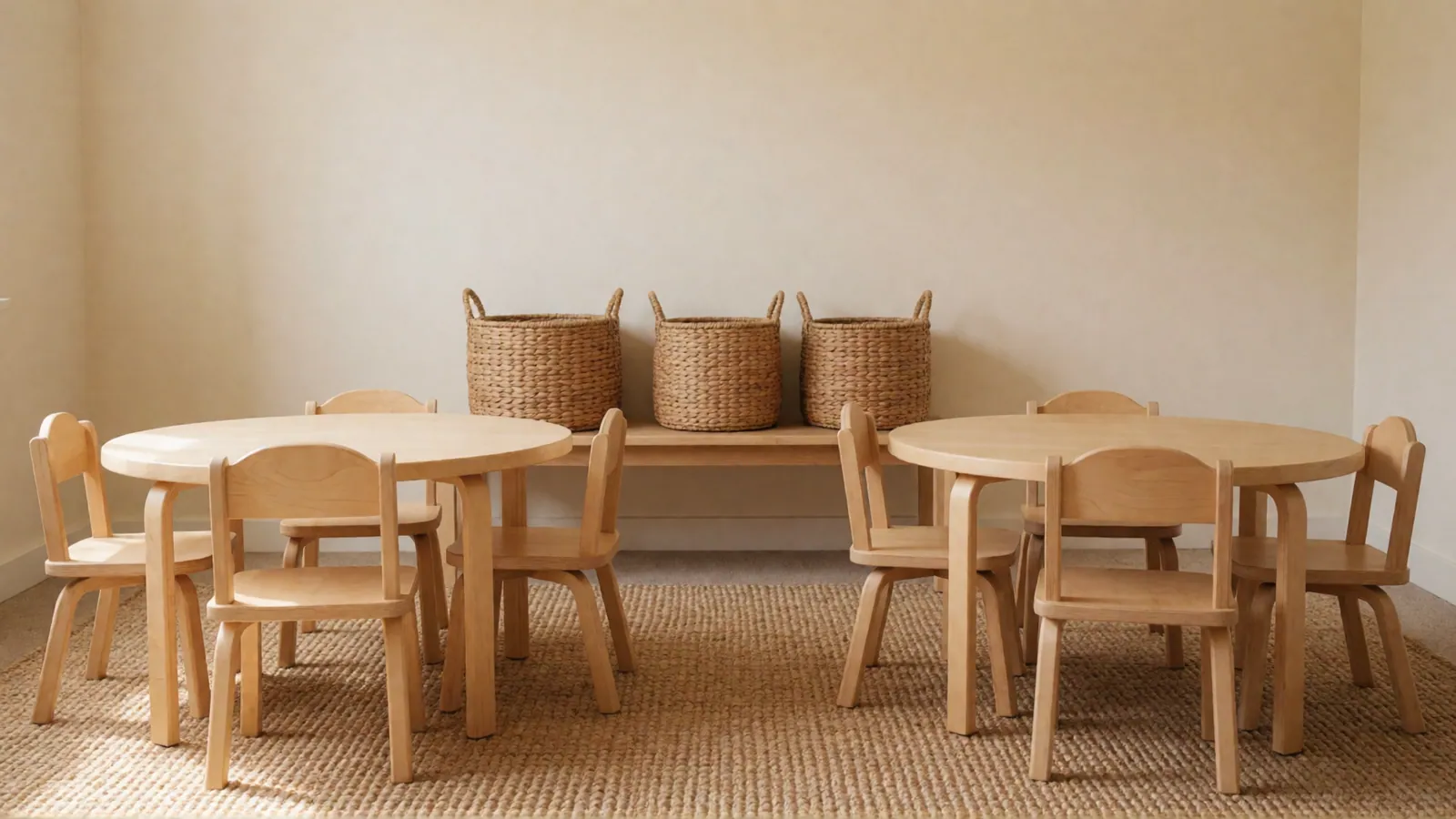
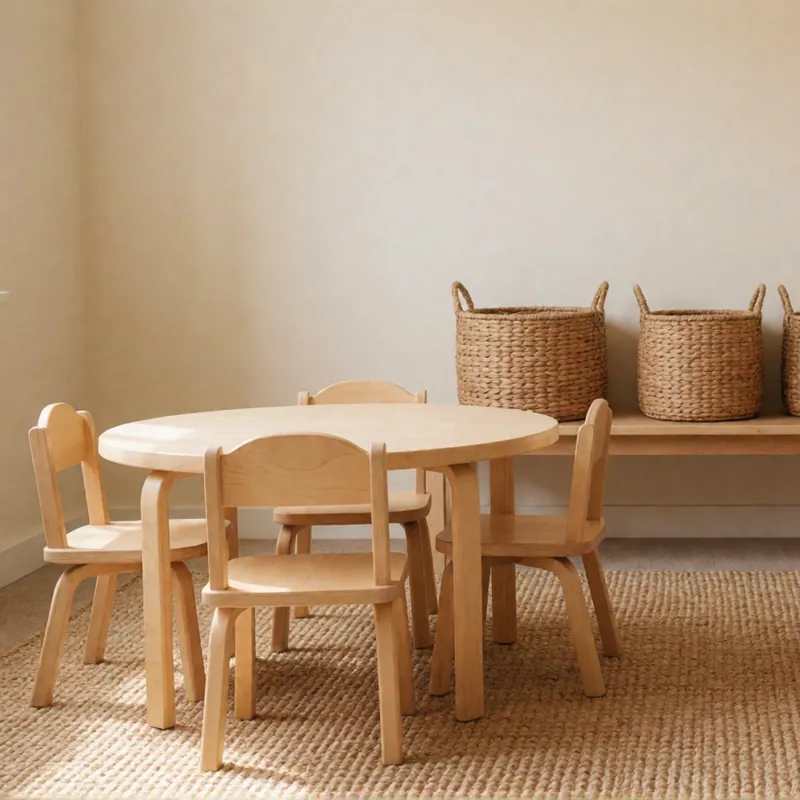
Aisha rebuilt this room around the floor rather than the furniture, on the grounds that a child who has been walking three months wants to be on the ground and everything else is an obstacle. It runs at the City ratio of one adult to five in a group of no more than ten.
The ratio here is a city rule, and it is tighter than the state one
Article 47 sets one adult to five children from twelve to twenty-four months, with a maximum group size of ten. Outside the five boroughs the state rule is one to five up to thirty-six months with a group of twelve.
That group-size difference is the one that shows. Ten toddlers in a room and twelve toddlers in a room are the same ratio and are not the same environment, because the number of other children a toddler has to navigate is itself the thing they find hard.
It is also why a ratio table found online may not describe us. Most national comparisons quote state figures. Our ratios page sets out both.
Biting, hitting and the fortnight you are dreading
Biting is close to universal somewhere between one and two and a half. It is communication rather than character, it happens when a child has an urgent thing to express and no words to express it with, and it is our job to find out what they were trying to say and give them a faster way to say it.
When it happens, both families hear the same day, in the same words, without either child being named to the other. That is not evasion — naming children turns an ordinary developmental event into a dispute between two families in a corridor.
We do not exclude a toddler for biting. What we do is watch closely enough to see what comes before it, change what we can about the situation, and tell you what we are trying. Aisha has never described a difficult fortnight as a phase and left it there.
Language, which is the year's real work
Between eighteen months and two most children move from a handful of words to hundreds, and the single biggest thing a setting contributes is adults talking with them rather than at them.
That means narrating, naming, waiting for a reply and treating a sound as a turn in a conversation. It happens all day rather than in a session, which is why it does not appear on a timetable and is nonetheless the most valuable thing in the room.
Home language matters here and keeping it is not an obstacle to English. Where we can put a child in a room with an adult who shares their home language we do; where we cannot, we say so plainly rather than implying we did.
Moving up from the infant room
Gradually, and never on a birthday. A child moves when they are ready for the room rather than when the calendar says so, which usually means somewhere between sixteen and twenty months.
The move is done in visits: an hour, then a morning, then a day, with Rosa going with them at first. A child who has spent a year with one adult does not transfer their attachment because a door was opened.
Toilet learning is not a condition of moving up and never will be. A room that requires it is putting a scheduling problem onto a two-year-old.
The ratios are a legal floor, not a boast. The Article 47 ratios that govern this building are one educator to four infants aged birth to eleven months in a group of at most eight; one to five for toddlers of twelve to twenty-four months in a group of at most ten; and one to six for two- to under-three-year-olds in a group of at most twelve. Staff counted in a ratio must maintain direct line of sight and constant competent supervision at all times, and a group of two- to five-year-olds must be in the charge of a qualified group teacher. Those are floors rather than achievements, and a centre quoting you a better number should be asked how it is funded.
Included as standard
What is included
One educator to five, group of ten
The New York City rule under Article 47, which is stricter on group size than the state rule that applies elsewhere.
A room built for walking
Low furniture, clear floor, sightlines that work standing up, and a washroom opening directly off the room.
Outside twice a day
In our own enclosed yard, in almost all weather. The thresholds at which outdoor play stops are published rather than decided on the day.
All meals cooked here
Breakfast, a cooked lunch and two snacks, made in the kitchen in this building. No meal supplement and no packed lunch.
Nappies changed and recorded
Included in the fee. Nappies and wipes come from home; everything else is ours.
A rest period, and permission not to sleep
Every child gets a cot and a quiet hour. Nobody is made to sleep and nobody is woken to fit a timetable.
Same-day reporting of anything that happened
Bites, bumps and difficult mornings go home on the day, in writing, from the adult who saw it.
A gradual move up when they are ready
In visits rather than on a date, with the adult they know going with them at first.
When to make an appointment
Signs this is worth an assessment
- Your child has been walking a few months and your home has become a set of hazards.
- You want somewhere that treats biting as ordinary and still tells you the day it happens.
- You would rather your child spent two periods a day outside than one, in most weather.
- You want your home language treated as something to keep rather than something to get past.
- You are moving up from an infant room and want the transition done in visits rather than on a date.
- You need five days, or two or three fixed ones, and want to know which we can genuinely staff before you plan around it.
Toddler care — what it costs
- Full-time, five days. One educator to five toddlers in a group of no more than ten, which is the New York City rule for twelve to twenty-four months and stricter than the state rule outside the city.$425 / week
Every rate on this site is published in full on the tuition page, including the ones that make us look expensive. Meals, snacks, nappy changing, settling-in sessions and the whole curriculum are inside the weekly fee — there is no premium tier and no outside provider invoicing you separately for a music class. The two charges that are not in the weekly fee are registration, at $75 a year per family rather than per child, and late collection after 6:15pm at $1 a minute, which goes to the two members of staff who stayed. If your child is three or four, read the 3-K page before you read this one.
Questions we are actually asked
Toddler care — frequently asked
What is the toddler ratio in New York City?
One educator to five children from twelve to twenty-four months, in a group of no more than ten. That group cap is stricter than the state rule, which allows twelve up to thirty-six months, so a ratio table you found online may not be the one that governs a Queens nursery.
What do you do about biting?
Tell both families the same day, in the same words, without naming either child to the other. Then work out what the biting child was trying to communicate and give them a faster route to it. We do not exclude a toddler for biting, and we do not pretend it did not happen because the conversation is uncomfortable.
Does my child need to be toilet trained to move up?
No, and this will not change. Toilet learning follows the child, and a room that requires it as an entry condition is putting a scheduling problem onto a two-year-old. Nappies and changing are entirely ordinary in every room where the age makes them so.
How do you handle the move from the infant room?
In visits — an hour, then a morning, then a day — with Rosa going along at first, and timed to the child rather than to their birthday. That is usually somewhere between sixteen and twenty months.
Is outdoor play really every day?
Twice a day in almost all weather, in our own enclosed yard. We publish the thresholds at which it stops — heat, ice, thunder and air quality — rather than deciding on the morning, because a parent dressing a toddler at seven deserves to know what will happen at ten.
Related programmes
Families who read this also read
Infant care
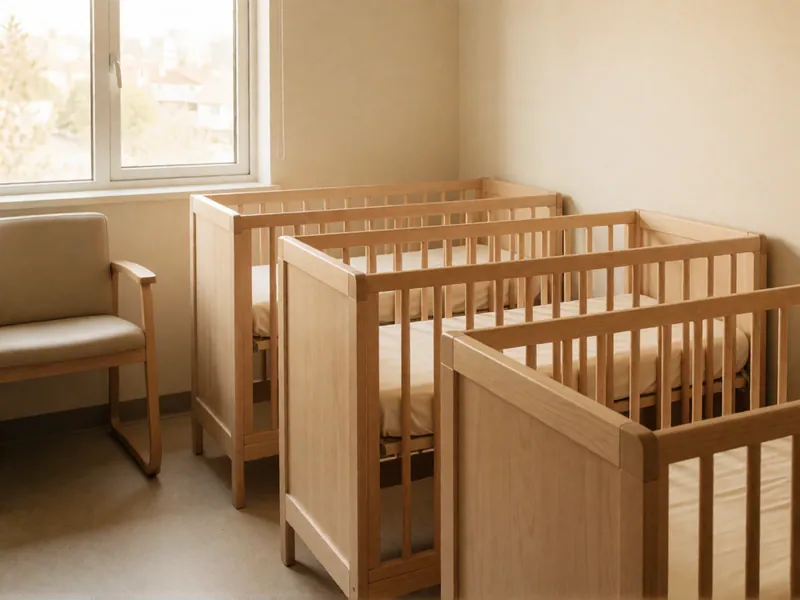
Four infants to one educator, in a group of no more than eight, with the same two faces every day. The ratio is the whole product.
$475 / week
Twos room
The year with the most change in it and the most patience required. Language, toilets, friendships and a great many strong opinions.
$395 / week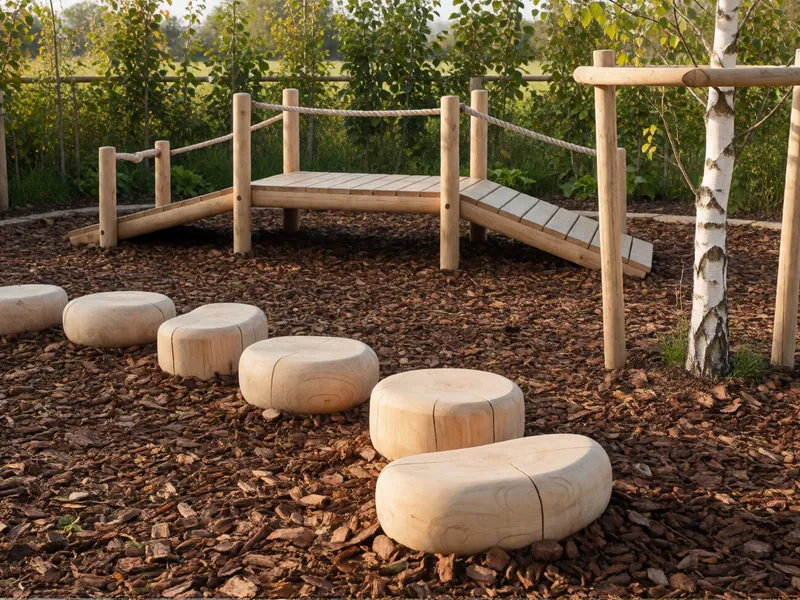
Outdoor play
Twice a day in almost all weather, in our own enclosed yard. The published exceptions are heat, ice, thunder and air quality.
Included
Potty training
We follow your child rather than a deadline, and we will not tell you they are ready because the next room has a space.
IncludedTuesday and Thursday mornings, while the children are here
Come and see the room
A tour here happens during a session, in the room your child would actually be in, at the time of day they would be in it. You meet the person who leads that room rather than only the director, and you see the noise and the mess that are genuinely there. It takes an hour. If your child is three or four we will ask whether you have applied for free 3-K or Pre-K for All before we quote you a rate, because a good many families should not be paying us at all.