
29 programmes across 4 areas
Everything we offer
Care by age from six weeks to twelve years, every schedule we can actually staff, what the day contains, and how food, rest and personal care are handled — with what each one costs published beside it, before you contact anybody.
Nine of these say “Included”, and that is the whole point. Music, art, outdoor play, meals, naps, toilet learning and the entire curriculum are inside the weekly fee. There is no premium tier and no outside provider invoicing you separately, because an enrichment tier is profitable precisely by making the standard offer feel like the lesser one. Every rate we do charge is on the tuition page — and if your child is three or four, read the 3-K page before either.
Care by age
Five rooms, one age band in each, and a room leader who has led it for years
From six weeks to twelve years. What separates these pages is the ratio — one adult to four infants, one to five toddlers, one to six twos — and that single number is what the whole difference in price between the rooms is made of. Two of them start by telling you the City may do it for nothing.
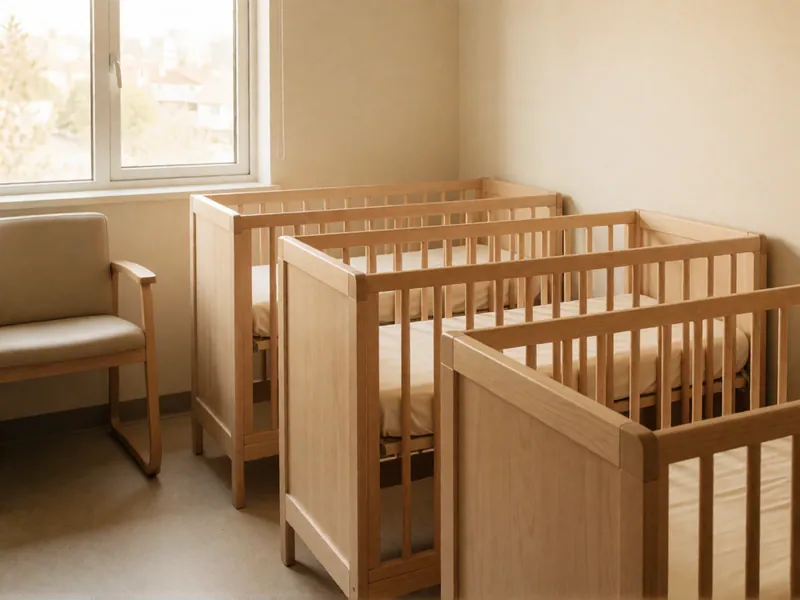
Infant care, six weeks to eighteen months
Four infants to one educator, in a group of no more than eight, with the same two faces every day. The ratio is the whole product.
$475 / week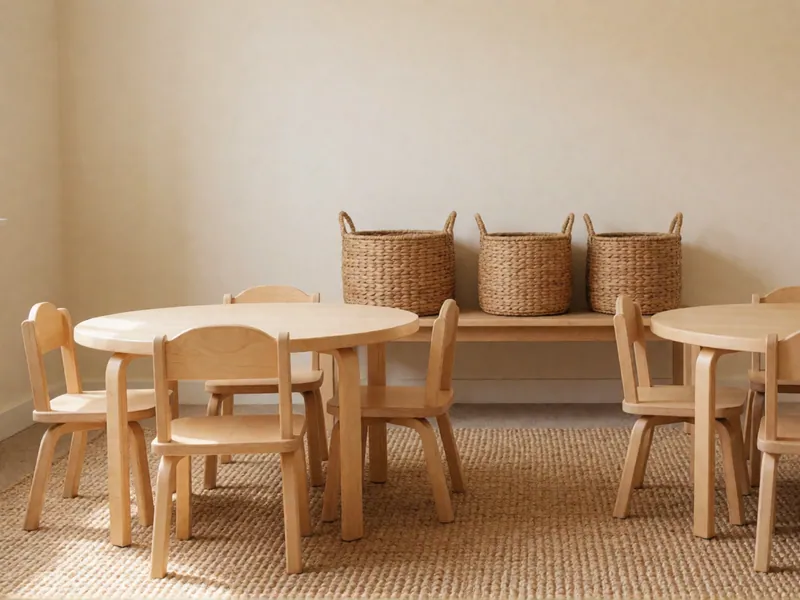
Toddler care, eighteen months to two years
Walking changes everything about a room: the furniture, the floor, the ratio and the amount of the day spent outdoors.
$425 / week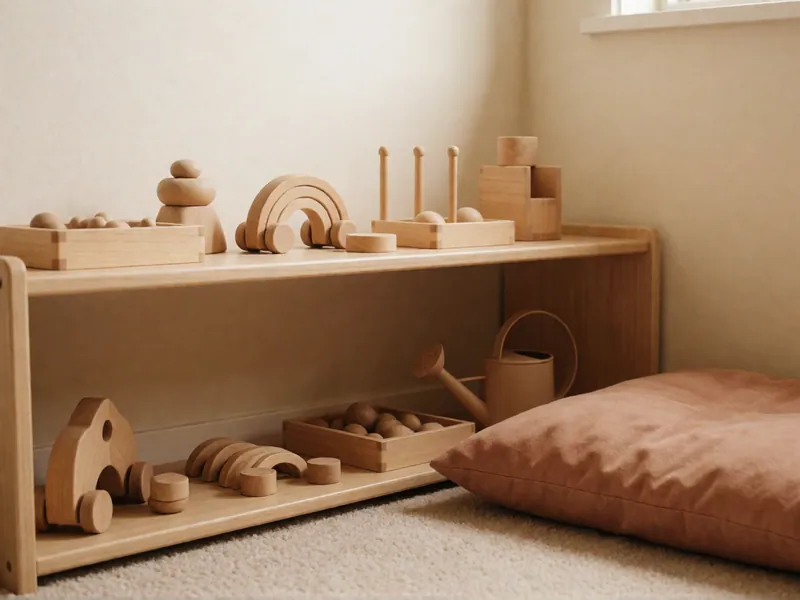
The twos room, two to three years
The year with the most change in it and the most patience required. Language, toilets, friendships and a great many strong opinions.
$395 / week
Preschool, three to four years
Read the 3-K page before you read this one. If your child is eligible, the City will do this for nothing and we would rather you knew.
$365 / week
Pre-kindergarten, four to five years
The year before school starts. Mostly about being able to manage a day away from you, and much less about letters than the brochures suggest.
$345 / week
Before and after school care, five to twelve years
The two hours at each end of a school day that decide whether a parent can hold a full-time job.
$185 / weekSchedules and hours
Every shape of week we can actually staff, and an honest account of the limits
Full days, half days, fixed part-time weeks, hourly and drop-in places, the half hour at each end of the day, backup care and the days the schools close. The constraint running through all of them is the same: our permit caps how many children may be here at once, and it counts children present.
Full-day care
Seven in the morning to a quarter past six, five days a week. The schedule most families actually need and few nurseries actually keep.
From $345 / week
Half-day program
Seven thirty until half past twelve, lunch included. Cheaper than a full day, but not by half — the place is still held all day.
70% of the full-day rate
Part-time schedules, two or three days
Fixed days only, and we will tell you plainly which combinations we can actually staff before you rearrange your work around one.
45% or 65% of full
Hourly and drop-in daycare
Genuinely hourly, genuinely bookable, and genuinely limited — because our permit caps how many children may be in the building at once.
$28 / hour
Early drop-off and late pick-up
The half hour at each end that turns an impossible commute into a possible one.
$45 / week
Backup and emergency care
For the day your usual arrangement fails. Registered in advance, used when you need it, and honest about how often it is available.
$32 / hour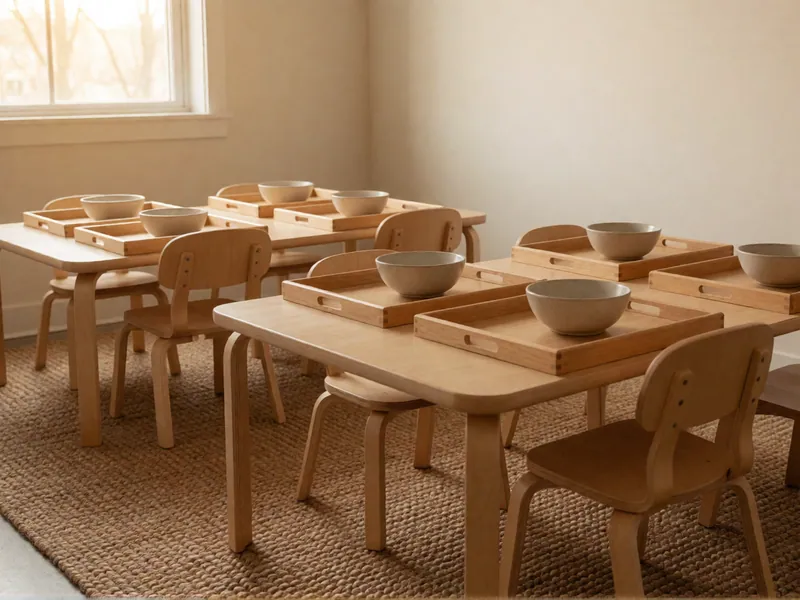
School holiday and snow day care
The days the public schools close and nobody else does. Published in September for the whole year so you can plan around them.
$95 / day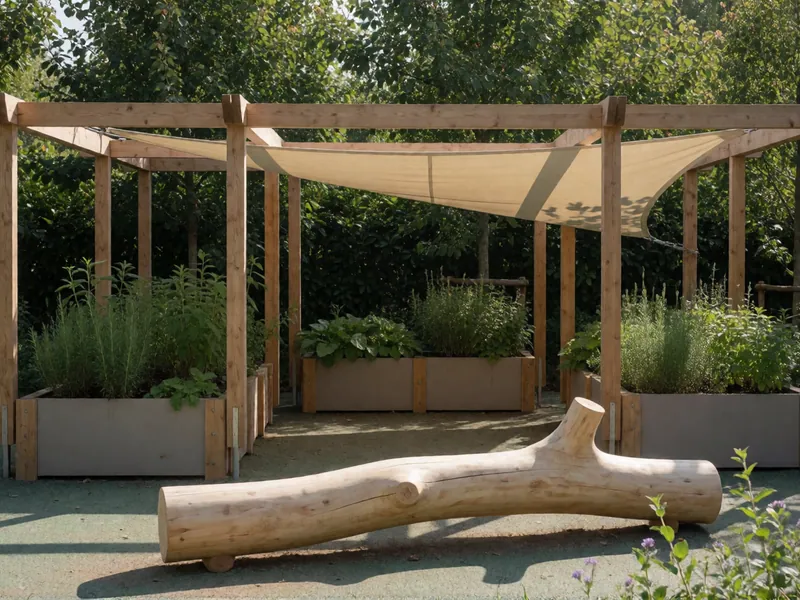
Summer program
Nine weeks of mostly being outside, in the yard and in the two parks within walking distance. No coach, no trips out of the neighbourhood.
$385 / weekWhat the day contains
One curriculum, every child, no premium tier and nobody invoicing you separately
Play, books, music, art, the yard, home languages, friendships and getting ready for school. All of it is inside the weekly fee, because an enrichment tier is profitable precisely by making the standard offer feel like the lesser one. What we decline to do — worksheets before five — has its own page.

Play-based learning
The approach with the best evidence behind it for children under five, and the one that photographs worst. We chose it anyway.
Included
Early literacy and storytime
Talking, singing, rhyming and being read to. Not worksheets, and not flashcards, and we will explain why at the tour.
Included
Early math and science play
Sorting, pouring, weighing, counting out loud and finding out what sinks. Mathematics before anybody calls it that.
Included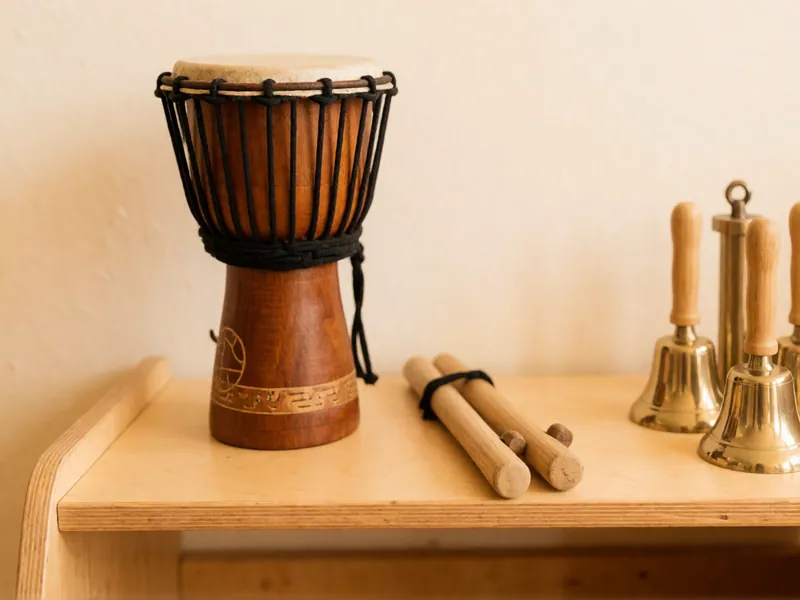
Music and movement
Singing every day, instruments most days, and dancing whenever the room needs to move. Led by our own staff, not a visiting franchise.
Included
Art and messy play
Paint, clay, water, sand and glue. Your child will come home dirty, and a nursery where they do not is a nursery where something has been cancelled.
Included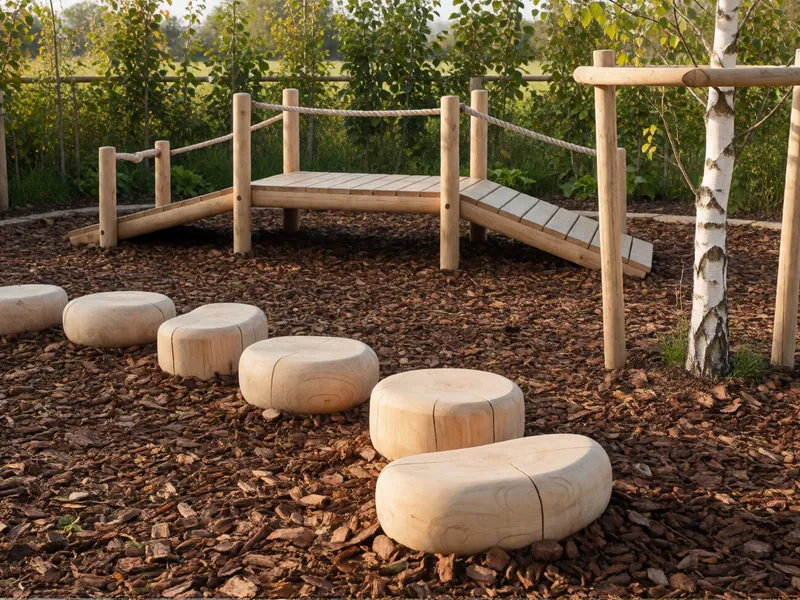
Outdoor play
Twice a day in almost all weather, in our own enclosed yard. The published exceptions are heat, ice, thunder and air quality.
Included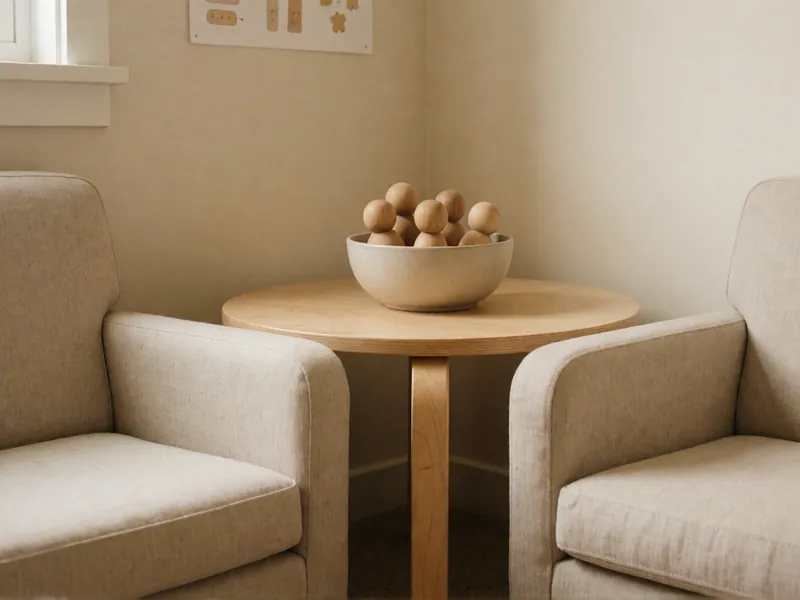
Dual-language support
Five languages are spoken by staff here. Your child keeping their home language is not an obstacle to English, and the evidence is clear about that.
Included
Social and emotional learning
Sharing, waiting, losing, apologising and calming down. The hardest curriculum in the building and the one that predicts school the best.
Included
Kindergarten readiness
Managing a coat, a lunch, a toilet, a queue and six hours away from home. Reading is not on this list and does not need to be.
IncludedFood, rest and care
The unglamorous half of a nursery, and the half that decides how a day actually goes
Meals cooked on the premises, allergy plans read before a place is confirmed, safe sleep with no exception clause, toilet learning that follows the child rather than a room's vacancy, and what we do — and firmly do not — claim to be able to see about a child's development.

Meals and nutrition
Breakfast, a cooked lunch and two snacks, made in the kitchen here. The week's menu is posted, and it is the menu we actually cook.
Included
Allergies and special diets
What we can manage, what we cannot, and the difference between a preference, an intolerance and an anaphylaxis plan.
Included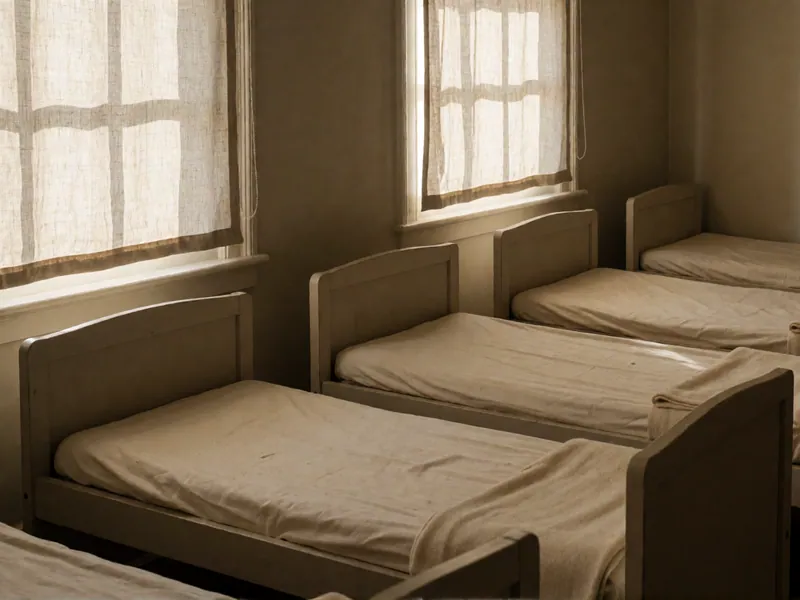
Naps and rest
Every child gets a cot, a rest period and permission not to sleep. Infants sleep on their backs, on a firm flat surface, with nothing else in the cot.
Included
Potty training
We follow your child rather than a deadline, and we will not tell you they are ready because the next room has a space.
Included
Developmental observation and referral
We watch, we write it down, and where something concerns us we tell you early and point you at Early Intervention. We do not diagnose.
Included
Inclusion, IEPs and IFSPs
What we can genuinely support, what needs a therapist we do not employ, and how we say the second one out loud.
IncludedIf your child is three or four, the City may do this for nothing. New York City gives every resident three- and four-year-old a free, full-day place in 3-K or Pre-K for All, regardless of family income or immigration status. For the 2026-2027 year that meant children born in 2023 for 3-K and 2022 for pre-K, with applications open from 14 January to 27 February 2026. We are raising this before we quote you a weekly rate, on the pages where you are most likely to be about to pay us, because a family paying for a four-year-old's daytime hours without having applied is usually spending money the City would have covered. Families still pay us for these ages for good reasons — hours beyond what a free place covers, or not getting one — and neither of those is a reason to leave the question unasked.
Our permit caps how many children may be here at once. Our permit states the maximum number of children who may be on these premises at any moment the programme is operating, set by the Health Department from the space, the teaching staff and the certificate of occupancy. That number counts children present, not children enrolled — so an hourly child takes up a permitted place in exactly the way a full-time child does. This is the honest reason we cannot always say yes to a drop-in, and the reason to be sceptical of anybody in New York City advertising unlimited same-day availability. It is a legal ceiling, not a scheduling preference.
Tuesday and Thursday mornings, while the children are here
Come and see the room
A tour here happens during a session, in the room your child would actually be in, at the time of day they would be in it. You meet the person who leads that room rather than only the director, and you see the noise and the mess that are genuinely there. It takes an hour. If your child is three or four we will ask whether you have applied for free 3-K or Pre-K for All before we quote you a rate, because a good many families should not be paying us at all.