Food, rest and care
Potty training
We follow your child rather than a deadline, and we will not tell you they are ready because the next room has a space.
Toilet learning is where commercial pressure and a child's development most often pull in opposite directions in this trade. A nursery with a full twos room and an empty preschool place has an incentive to discover that your two-year-old is ready.
So the rule here is simple and it is written down: readiness is never a condition of moving rooms, and we have no reason to hurry your child.
What readiness actually looks like
Staying dry for longer stretches, noticing they have done something, taking an interest in what adults and other children do, and being able to manage the clothing at least partly. Age is a poor guide and the range among perfectly ordinary children is enormous.
It is not a race and there is no correlation worth caring about between finishing early and anything else. A child trained at two and a half and a child trained at three and a half are indistinguishable at five.
Where a child is well past the usual range and showing none of the signs, we will raise it with you — gently, once — because occasionally there is something else going on and it is better looked at than waited out.
How we actually do it
You decide when to start and we follow, or occasionally the other way round when a child begins here and we tell you. Either way it is one approach in both places, because a child doing it one way at home and another here is being given two problems.
Pants rather than pull-ups during the day once you have started, because a child who cannot feel it cannot learn from it. Several changes of clothes from home, and no comment made to the child about any of it.
Accidents are cleaned up matter-of-factly and are never mentioned to the child as a disappointment. This is the whole technique. A child who has been made to feel bad about an accident starts holding on, and holding on is a genuinely harder problem than starting late.
Regression, which is normal
A new sibling, a house move, a change of room, an illness, a bad fortnight — all of these commonly produce a few weeks of going backwards, and it does not mean starting again.
We treat it as information rather than as a setback. A child who was reliable in March and is not in May is telling us something, and the useful response is to find out what rather than to reinstate a chart.
No reward charts and no stickers. They work briefly, they make the whole thing about the adult's approval, and they leave nothing behind when they stop.
Who changes your child, and what is recorded
Every adult who does personal care here has cleared a criminal history check, a check of the Statewide Central Register and a check against the Justice Center Staff Exclusion List, all of it completed before they had unsupervised contact with any child.
Changing happens in a designated area within sight of the room rather than behind a closed door, which is a deliberate safeguarding arrangement rather than a matter of convenience.
Every change and every toilet visit goes in the daily note. It is one of the few genuinely useful pieces of data a nursery can give you and it is precisely the sort of thing a photo stream does not carry.
There are no children in any photograph on this site. There is not a single child in any photograph on this website. Every image here shows our rooms, our materials, our food or our educators, and that is a decision rather than a gap in the budget. Marketing photographs of children are somebody else's children, used to sell a place to you; and a daily app photograph of a smiling child tells you about one second of a nine-hour day and nothing about the other thirty-two thousand. What we send home instead is a written note about sleep, food, mood and what actually happened, from the person who was in the room.
Included as standard
What is included
No charge and no schedule
Toilet learning is part of the job rather than a service with a fee.
Never a condition of moving rooms
A room requiring it is putting a scheduling problem onto a two-year-old.
One approach at home and here
Agreed with you, so a child is not given two different problems to solve.
Pants rather than pull-ups once started
A child who cannot feel it cannot learn from it.
Accidents handled matter-of-factly
Never mentioned to the child as a disappointment. This is the entire technique.
No reward charts or stickers
They work briefly, make it about an adult's approval, and leave nothing behind.
Changing in sight of the room
A designated area rather than behind a closed door. A safeguarding decision, not a convenience.
Every change and toilet visit recorded
In the daily note, which is exactly the sort of thing a photo stream does not carry.
When to make an appointment
Signs this is worth an assessment
- You are being told by somebody that your two-year-old should have finished by now.
- You want to start and would like us to do the same thing you are doing.
- Your child has regressed after a new sibling or a house move.
- You do not want a sticker chart involved.
- You want to know who changes your child and what checks they cleared.
- You want the day's toilet visits written down rather than summarised.
Potty training — what it costs
- No charge, no schedule and no requirement that a child be trained to move rooms. Nappies and wipes are the family's to supply; everything else is ours.Included
Every rate on this site is published in full on the tuition page, including the ones that make us look expensive. Meals, snacks, nappy changing, settling-in sessions and the whole curriculum are inside the weekly fee — there is no premium tier and no outside provider invoicing you separately for a music class. The two charges that are not in the weekly fee are registration, at $75 a year per family rather than per child, and late collection after 6:15pm at $1 a minute, which goes to the two members of staff who stayed. If your child is three or four, read the 3-K page before you read this one.
Questions we are actually asked
Potty training — frequently asked
When should my child be potty trained?
When they are ready, which varies enormously among entirely ordinary children. Age is a poor guide, and a child trained at two and a half and one trained at three and a half are indistinguishable at five. What matters more is that nobody is hurrying them for a reason that is really about a room.
Does my child need to be trained to move up a room?
No, never, and this is written down for a reason. A nursery with a full twos room and an empty preschool place has an incentive to discover that your two-year-old is ready, and we will not be that.
Do you use reward charts?
No. Stickers work briefly, make the whole thing about an adult's approval, and leave nothing behind when they stop. Accidents are cleaned up matter-of-factly and never mentioned to the child as a disappointment — that is the entire technique.
My child has started having accidents again. What went wrong?
Probably nothing. Regression after a new sibling, a house move, an illness or a hard fortnight is common and does not mean starting over. We treat it as information about what has changed rather than as a setback to be corrected.
Who changes my child?
Staff in their own room, all of whom cleared a criminal history check, a Statewide Central Register check and a Justice Center Staff Exclusion List check before having unsupervised contact with any child. Changing happens in a designated area within sight of the room rather than behind a closed door.
Related programmes
Families who read this also read
Twos room
The year with the most change in it and the most patience required. Language, toilets, friendships and a great many strong opinions.
$395 / week
Toddler care
Walking changes everything about a room: the furniture, the floor, the ratio and the amount of the day spent outdoors.
$425 / week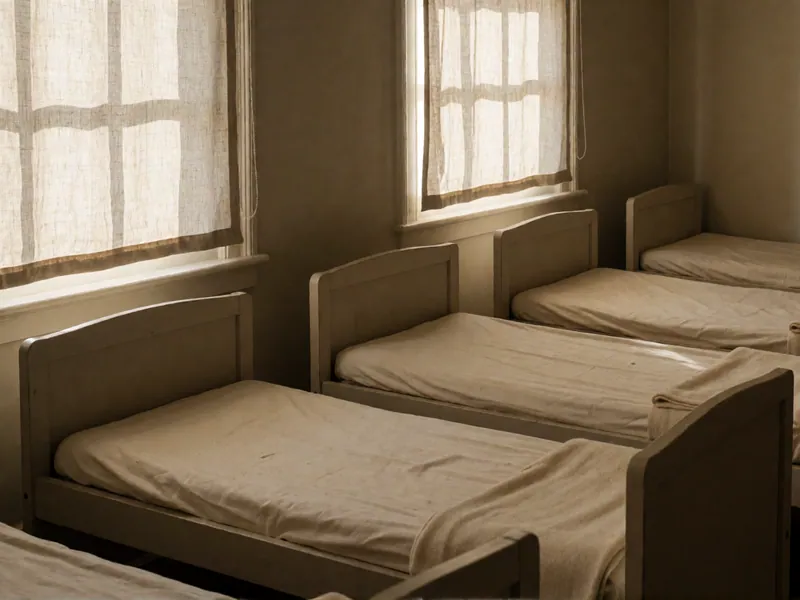
Naps & rest
Every child gets a cot, a rest period and permission not to sleep. Infants sleep on their backs, on a firm flat surface, with nothing else in the cot.
Included
Social & emotional
Sharing, waiting, losing, apologising and calming down. The hardest curriculum in the building and the one that predicts school the best.
IncludedTuesday and Thursday mornings, while the children are here
Come and see the room
A tour here happens during a session, in the room your child would actually be in, at the time of day they would be in it. You meet the person who leads that room rather than only the director, and you see the noise and the mess that are genuinely there. It takes an hour. If your child is three or four we will ask whether you have applied for free 3-K or Pre-K for All before we quote you a rate, because a good many families should not be paying us at all.