Food, rest and care
Naps and rest
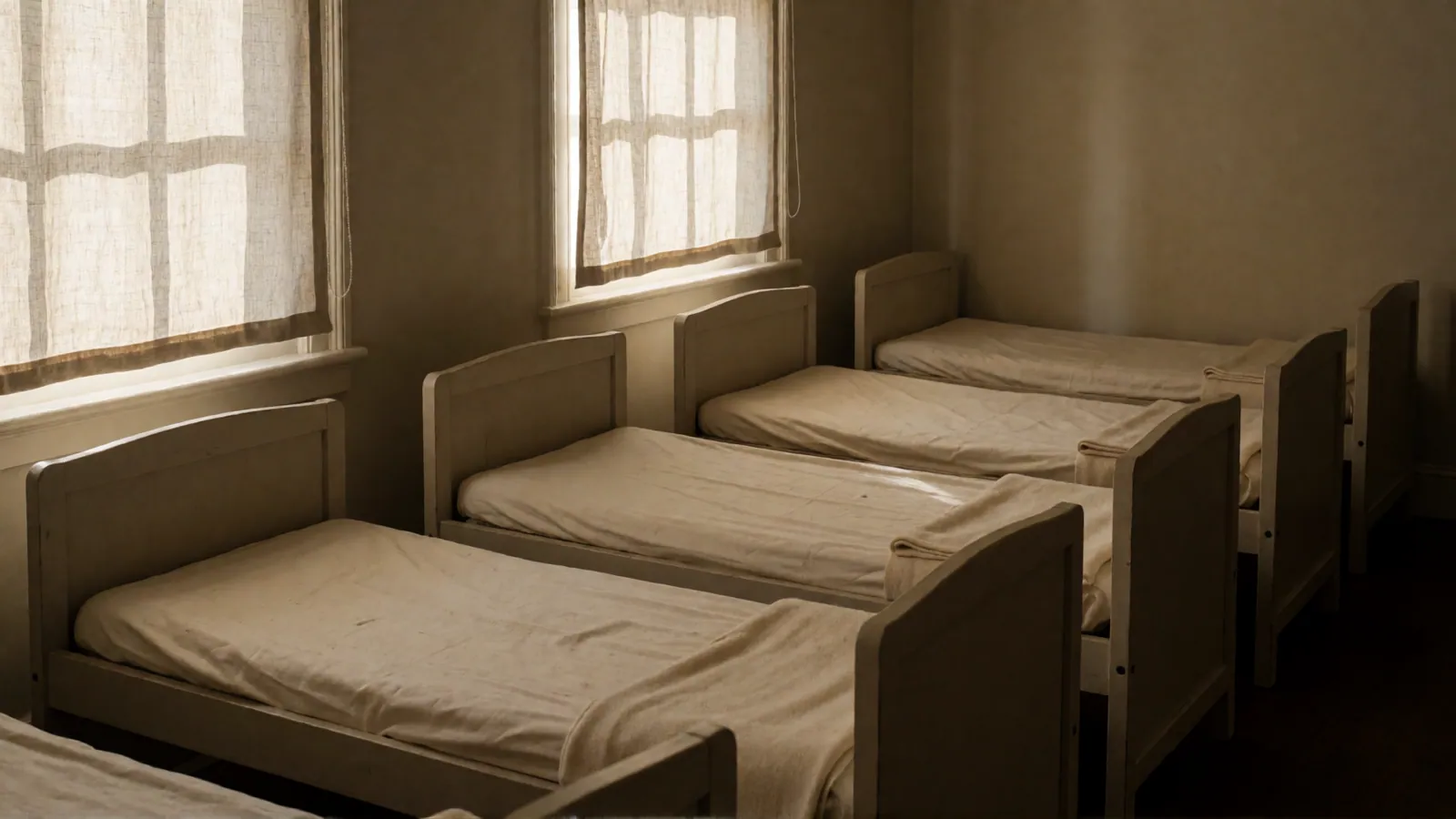
Every child gets a cot, a rest period and permission not to sleep. Infants sleep on their backs, on a firm flat surface, with nothing else in the cot at all.
Sleep is the thing families most often ask us to manage in a particular way, and it is where the gap between what a parent wants and what is safe or possible is widest.
So this page is fairly blunt. On safe sleep for infants there is no flexibility at all. On everything else — whether a three-year-old naps, how long, what helps — we follow your child and take your guidance seriously.
Safe sleep, which has no exception clause
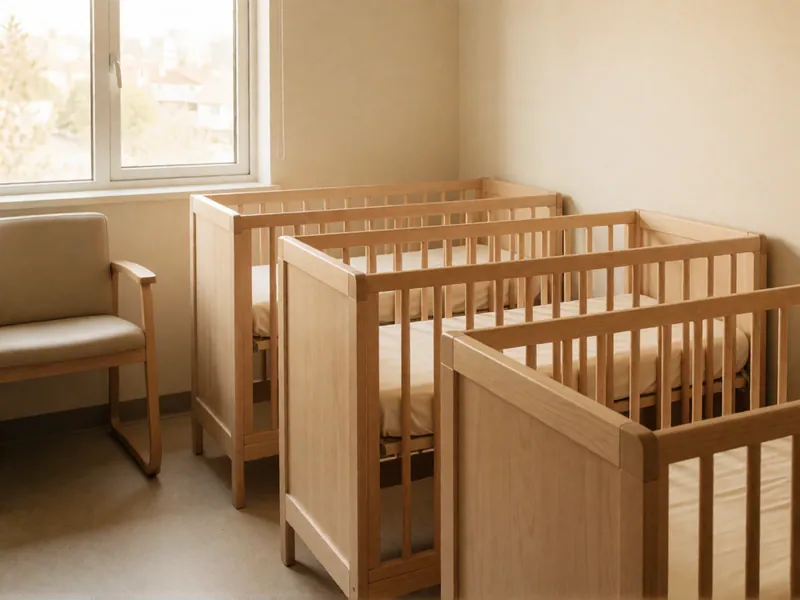
Infants sleep on their backs, on a firm flat surface, in a cot with nothing else in it: no bumper pads, no toys, no pillows, no heavy blankets, and no positioner unless a physician has prescribed one in writing.
A car seat is not a sleep surface. A baby who arrives asleep in one is moved to a cot. Nobody enjoys waking a sleeping baby and we do it anyway.
There is no version of this we will bend for a parent request, including a request that our own instinct might sympathise with. A safe-sleep policy with an exception clause is not a policy, and a nursery willing to make one for you has made one for somebody else.
Cots, and the question worth asking everywhere
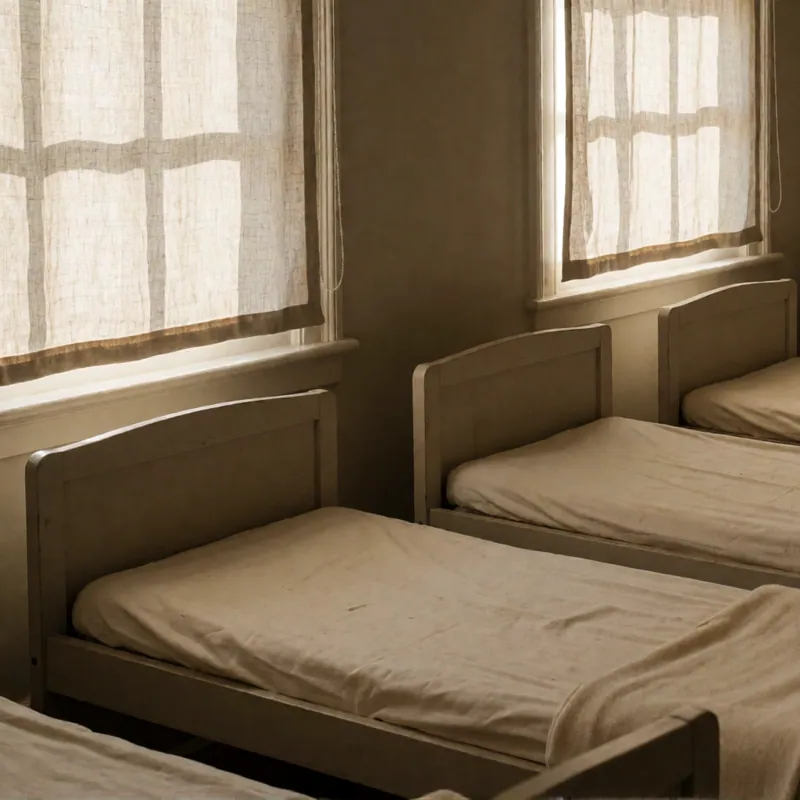
A cot is assigned to one child. It is stored individually, washed on a posted rota, and not shared between children who attend on different days.
Shared sleep surfaces are common in settings running part-time places and they are worth asking about on any tour, because the answer is either a rota you can look at or a vague reassurance. Ours is on the wall.
Bedding is ours and is washed weekly, or immediately when it needs to be. A comfort object from home is welcome for children past the infant room and lives in their cubby.
Rest for the older rooms
Every child gets a cot and a quiet hour after lunch. Nobody is made to sleep and nobody is woken to fit a timetable.
Children who do not sleep have books, a soft toy, and something quiet to do on their own cot. Making a four-year-old who has finished napping lie silently in the dark for an hour is a way of managing adults' break rota, and children know the difference.
The ratio holds through the whole rest period. That is a specific thing worth asking about elsewhere, because the start of nap is one of the three moments in a day when staffing most commonly thins.
When home and nursery disagree
Families sometimes ask us to cap or cut a nap because it is affecting bedtime. We will try it, within reason, and we will tell you honestly what happens — usually that a shorter afternoon produces a considerably harder late afternoon here.
What we will not do is keep a genuinely exhausted two-year-old awake. There is a point where the request stops being about bedtime and starts being about a child having a miserable day, and we will say when we think we have reached it.
Whatever happens, it goes in the daily note: when they slept, how long, and how the afternoon went. You can then make the call at home with real information.
The ratios are a legal floor, not a boast. The Article 47 ratios that govern this building are one educator to four infants aged birth to eleven months in a group of at most eight; one to five for toddlers of twelve to twenty-four months in a group of at most ten; and one to six for two- to under-three-year-olds in a group of at most twelve. Staff counted in a ratio must maintain direct line of sight and constant competent supervision at all times, and a group of two- to five-year-olds must be in the charge of a qualified group teacher. Those are floors rather than achievements, and a centre quoting you a better number should be asked how it is funded.
Included as standard
What is included
A cot assigned to each child
Stored individually, washed on a posted rota, never shared between children.
Infants on their backs, firm flat surface
Nothing else in the cot. No bumper pads, toys, pillows, heavy blankets or unprescribed positioners.
Car seats are not sleep surfaces
A baby who arrives asleep in one is moved to a cot.
A rest period for every room
An hour after lunch, with a cot for everybody.
Permission not to sleep
Books and something quiet on their own cot. Nobody lies silently in the dark to suit a break rota.
Nobody woken to a timetable
A child who is asleep is allowed to be asleep.
The ratio held through the whole rest period
The start of nap is one of the three moments staffing most commonly thins elsewhere.
Sleep recorded in the daily note
When, how long and how the afternoon went, so you can make the bedtime call with real information.
When to make an appointment
Signs this is worth an assessment
- You want to see a cot-washing rota rather than be reassured about one.
- You want safe sleep stated without an exception clause.
- Your three-year-old has stopped napping and you do not want them made to lie in the dark.
- Bedtime at home has become difficult and you want to work on it together.
- You want to know whether the ratio holds during nap.
- You want the sleep record in writing every day rather than on request.
Naps & rest — what it costs
- Cots are assigned to one child, washed on a posted rota and never shared. Safe-sleep practice is not a preference here and there is no version of it we will bend for a parent request.Included
Every rate on this site is published in full on the tuition page, including the ones that make us look expensive. Meals, snacks, nappy changing, settling-in sessions and the whole curriculum are inside the weekly fee — there is no premium tier and no outside provider invoicing you separately for a music class. The two charges that are not in the weekly fee are registration, at $75 a year per family rather than per child, and late collection after 6:15pm at $1 a minute, which goes to the two members of staff who stayed. If your child is three or four, read the 3-K page before you read this one.
Questions we are actually asked
Naps & rest — frequently asked
Will you follow my baby's sleep routine from home?
Yes — we write down what you already do and keep doing it, rather than replacing it with a nursery timetable. Sleep when tired, not at eleven because it is eleven. The one thing that does not flex is safe sleep practice itself.
Can my baby sleep on their front or in a sleep positioner?
No. Infants sleep on their backs on a firm flat surface with nothing else in the cot, and a positioner only where a physician has prescribed one in writing. There is no version of this we will bend on request, because a safe-sleep policy with an exception clause is not one.
Do children share cots?
No. A cot is assigned to one child, stored individually and washed on a posted rota you can look at. Shared sleep surfaces are common in settings with part-time places and are worth asking about on every tour you take.
What if my child does not nap any more?
They still get a cot and a quiet hour, with books and something quiet to do. Nobody is made to sleep. Making a four-year-old lie silently in the dark for an hour manages the adults' break rota rather than the child, and children know the difference.
Can you cut my child's nap so bedtime is easier?
We will try, within reason, and tell you honestly what happens — usually that a shorter afternoon makes the late afternoon here considerably harder. What we will not do is keep a genuinely exhausted two-year-old awake, and we will say when we think we have reached that point.
Related programmes
Families who read this also read
Infant care
Four infants to one educator, in a group of no more than eight, with the same two faces every day. The ratio is the whole product.
$475 / week
Meals
Breakfast, a cooked lunch and two snacks, made in the kitchen here. The week's menu is posted, and it is the menu we actually cook.
Included
Full-day care
Seven in the morning to a quarter past six, five days a week. The schedule most families actually need and few nurseries actually keep.
From $345 / week
Twos room
The year with the most change in it and the most patience required. Language, toilets, friendships and a great many strong opinions.
$395 / weekTuesday and Thursday mornings, while the children are here
Come and see the room
A tour here happens during a session, in the room your child would actually be in, at the time of day they would be in it. You meet the person who leads that room rather than only the director, and you see the noise and the mess that are genuinely there. It takes an hour. If your child is three or four we will ask whether you have applied for free 3-K or Pre-K for All before we quote you a rate, because a good many families should not be paying us at all.