What the day contains
Outdoor play
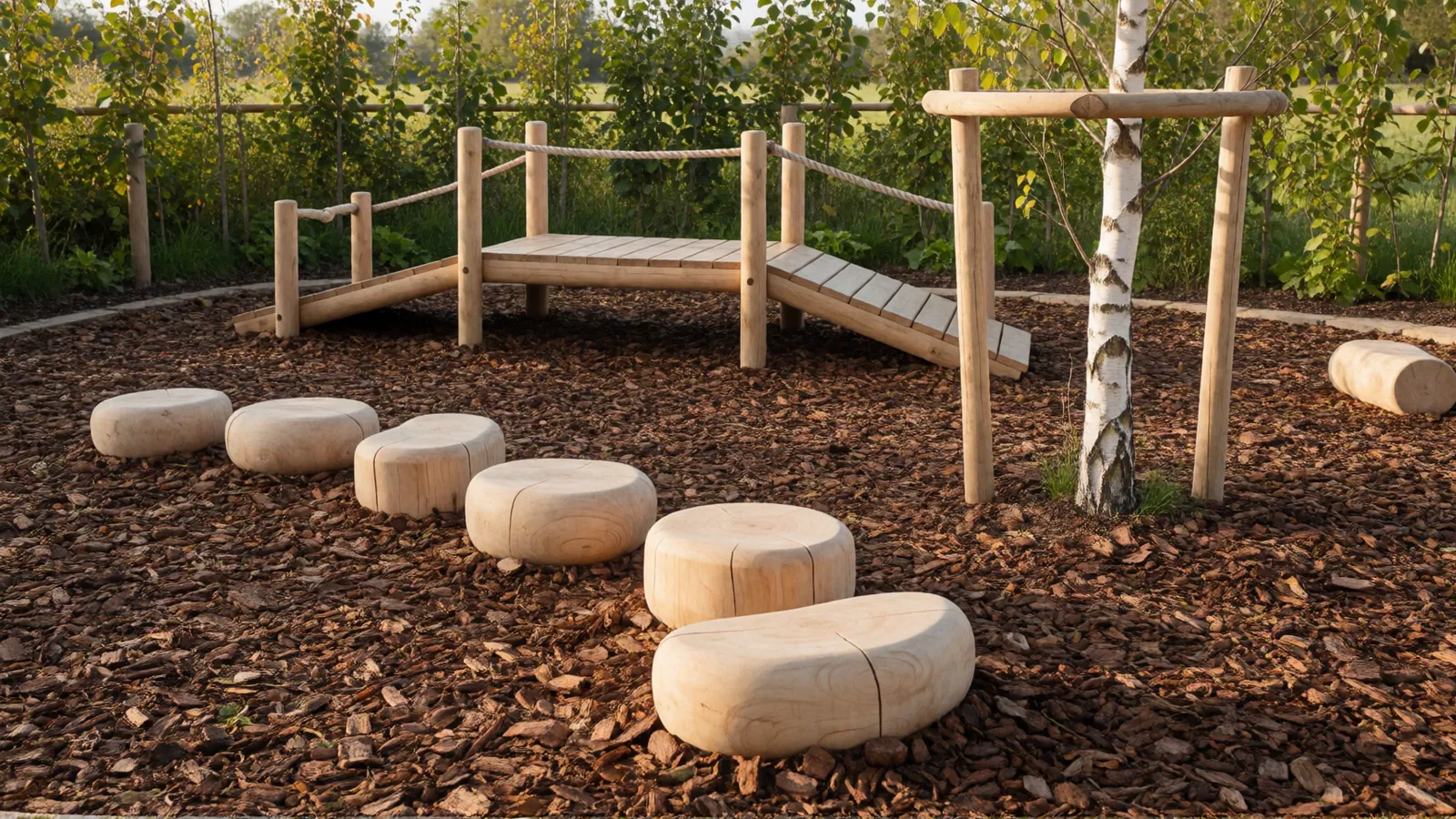
Twice a day in almost all weather, in our own enclosed yard. The exceptions are published in advance so that a parent dressing a child at seven knows what will happen at ten.
Outdoor space is the scarcest thing in New York City childcare and the most reliable single differentiator between settings. A good many centres in this borough have no yard at all and use a public playground, which is a real and workable arrangement with real limitations.
We have an enclosed rear yard of just under two thousand square feet, shaded from noon, and children are in it twice a day in almost all weather. That is the single most expensive thing about this building and the thing we would give up last.
What is in the yard
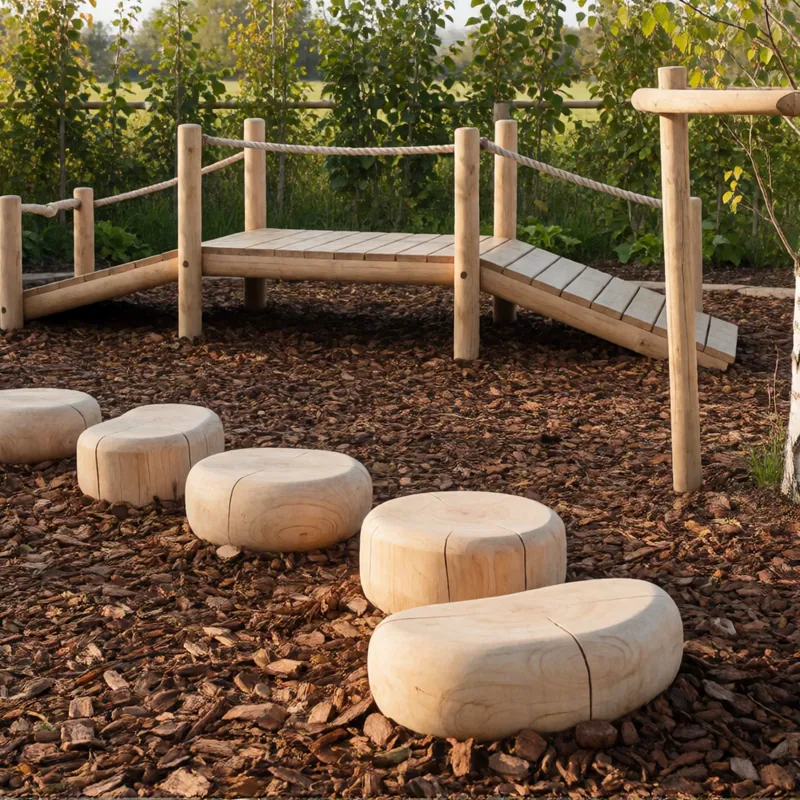
A low timber climbing frame, smooth stepping logs, a balance beam, raised planters, bark ground cover and a young birch. Fixed equipment is deliberately sparse.
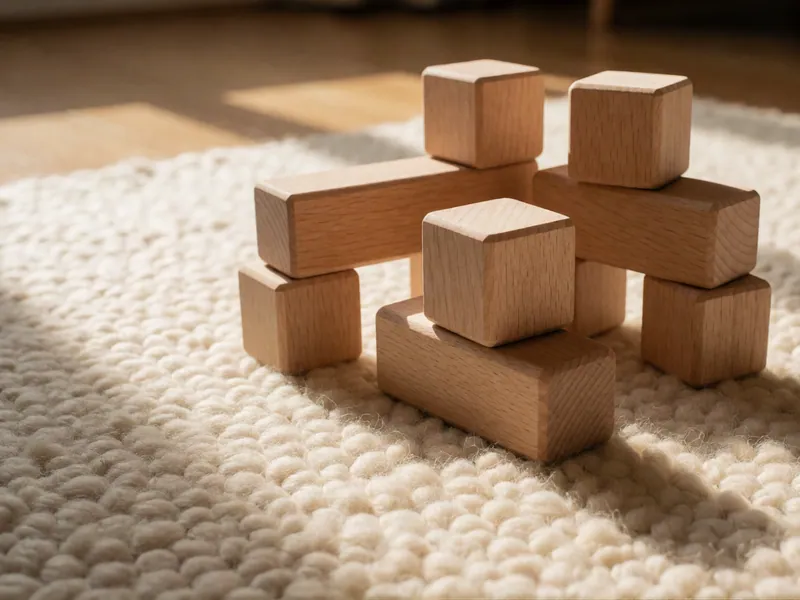
The bulk of it is loose: planks, crates, tyres, guttering, buckets, lengths of fabric. Loose parts outdoors do the same work blocks do indoors — a fixed climbing frame can be used one way, and a plank and two crates can be used four hundred.
And mud and water, on purpose. The biggest and best mess belongs outside where it is least trouble to clear, which is why a good proportion of our messy play happens out here.
Risk, which we deliberately keep in
Children climb, carry heavy things, balance at height and occasionally misjudge. A child who is never allowed to misjudge does not learn to judge, and the cost of removing all risk from a yard is paid later by a seven-year-old who cannot assess anything.
The distinction we work to is risk against hazard. A height a child chose to climb is a risk and it is valuable; a splintered board they could not have known about is a hazard and it is ours to remove. Yards are checked each morning for the second kind.
Supervision outdoors is the same legal standard as indoors — staff counted in the ratio maintain direct line of sight at all times — and the yard was laid out with that in mind, which is why there are no visual dead ends.
The published thresholds
We publish the conditions under which outdoor play stops rather than deciding on the morning: extreme heat, ice, thunder and poor air quality. Air quality has mattered more in recent summers than any of the others.
The reason to publish them is practical. A parent dressing a child at seven in the morning is making a decision about coats, hats and spare clothes, and they deserve to know what is going to happen at ten rather than to guess.
It also removes the daily negotiation. A threshold applied by feel is applied differently on a busy morning than on a quiet one, and a published one is applied the same way to everybody.
Beyond the yard
Two parks are within walking distance and we use them, on foot, with written permission and at ratio. Nothing further, because we run no transport of any kind.
Buggy walks for the infant room most days, weather allowing, which is often the most useful thing in a baby's afternoon and is genuinely a different experience from the yard.
The ratios are a legal floor, not a boast. The Article 47 ratios that govern this building are one educator to four infants aged birth to eleven months in a group of at most eight; one to five for toddlers of twelve to twenty-four months in a group of at most ten; and one to six for two- to under-three-year-olds in a group of at most twelve. Staff counted in a ratio must maintain direct line of sight and constant competent supervision at all times, and a group of two- to five-year-olds must be in the charge of a qualified group teacher. Those are floors rather than achievements, and a centre quoting you a better number should be asked how it is funded.
Included as standard
What is included
Our own enclosed yard
Just under two thousand square feet, shaded from noon, entered directly from the building.
Twice a day, in almost all weather
Morning and afternoon, with the exceptions published rather than decided on the day.
Loose parts outdoors
Planks, crates, tyres, guttering, buckets and fabric. A plank and two crates have four hundred uses.
Mud and water on purpose
The biggest mess belongs where it is least trouble to clear.
Risk kept in, hazards removed
A chosen height is valuable; a splintered board is ours to find. Yards checked each morning.
Direct line of sight outdoors
The same legal supervision standard as indoors. The yard is laid out with no visual dead ends.
Published heat, ice, thunder and air-quality thresholds
So a parent dressing a child at seven knows what happens at ten.
Walks to the two nearest parks
On foot, with written permission and at ratio. No transport of any kind.
When to make an appointment
Signs this is worth an assessment
- You want a nursery with its own yard rather than a walk to a public playground.
- You are comfortable with your child climbing something they might misjudge.
- You want the weather rules published rather than decided each morning.
- You would rather they were outside in the rain than kept in for it.
- You want mud and water treated as a normal part of the day.
- You want to know how supervision works outdoors as well as indoors.
Outdoor play — what it costs
- We publish the thresholds at which outdoor play stops rather than deciding on the day, because a parent dressing a child at seven in the morning deserves to know what will happen at ten.Included
Every rate on this site is published in full on the tuition page, including the ones that make us look expensive. Meals, snacks, nappy changing, settling-in sessions and the whole curriculum are inside the weekly fee — there is no premium tier and no outside provider invoicing you separately for a music class. The two charges that are not in the weekly fee are registration, at $75 a year per family rather than per child, and late collection after 6:15pm at $1 a minute, which goes to the two members of staff who stayed. If your child is three or four, read the 3-K page before you read this one.
Questions we are actually asked
Outdoor play — frequently asked
How often do children go outside?
Twice a day in almost all weather, in our own enclosed yard. The published exceptions are extreme heat, ice, thunder and poor air quality, and those are checked each morning rather than judged in the moment.
Do you go out in the rain?
Yes. Rain is not on the list of thresholds. Send waterproofs and boots and expect them to be used — a nursery that keeps children in for rain has effectively halved the outdoor time it advertises.
Is it safe if children are climbing?
We distinguish risk from hazard. A height a child chose to climb is a risk and it is valuable, because a child never allowed to misjudge does not learn to judge. A splintered board is a hazard and it is ours to find, which is what the morning check is for.
How are children supervised outside?
To the same legal standard as indoors — staff counted in the ratio maintain direct line of sight at all times. The yard was laid out around that requirement, which is why it has no visual dead ends.
Do you take children to the park?
Two are within walking distance and we use them on foot, with written permission and at ratio. Nothing beyond walking distance, because we run no transport of any kind.
Related programmes
Families who read this also read
Play-based learning
The approach with the best evidence behind it for children under five, and the one that photographs worst. We chose it anyway.
Included
Art & messy play
Paint, clay, water, sand and glue. Your child will come home dirty, and a nursery where they do not is a nursery where something has been cancelled.
Included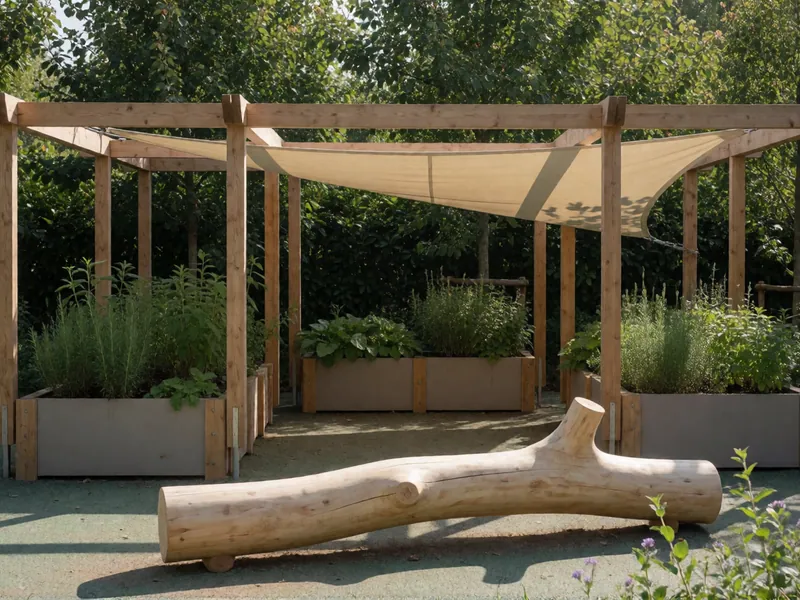
Summer
Nine weeks of mostly being outside, in the yard and in the two parks within walking distance. No coach, no trips out of the neighbourhood.
$385 / week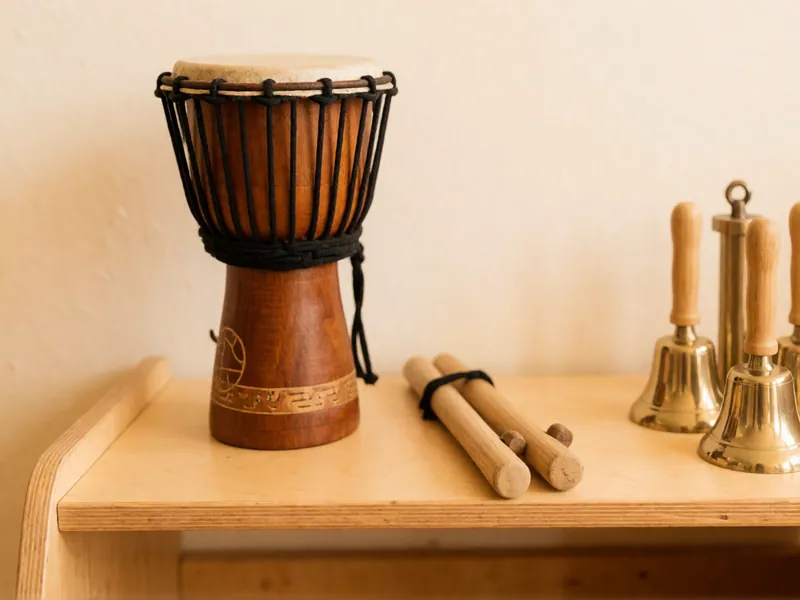
Music & movement
Singing every day, instruments most days, and dancing whenever the room needs to move. Led by our own staff, not a visiting franchise.
IncludedTuesday and Thursday mornings, while the children are here
Come and see the room
A tour here happens during a session, in the room your child would actually be in, at the time of day they would be in it. You meet the person who leads that room rather than only the director, and you see the noise and the mess that are genuinely there. It takes an hour. If your child is three or four we will ask whether you have applied for free 3-K or Pre-K for All before we quote you a rate, because a good many families should not be paying us at all.