What the day contains
Play-based learning
The approach with the best evidence behind it for children under five, and the one that photographs worst. We chose it anyway, and this page is why.
Play-based learning has an image problem. It looks, to an adult standing in a doorway, like not very much happening — children moving between things, adults apparently not teaching, no visible output at the end of the morning.
That appearance is the entire reason it gets cut. A room full of children doing worksheets produces something to put in a bag at half past five, and a morning of deep, uninterrupted play produces a tower that got knocked down. One of those is much easier to sell.
What it actually consists of
Long, uninterrupted stretches — an hour and a half in the morning is the target, not twenty minutes between activities. Depth is the whole mechanism. A child who has been building for forty minutes is doing something categorically different from a child who has been building for eight, and a day chopped into short blocks never reaches the second state.
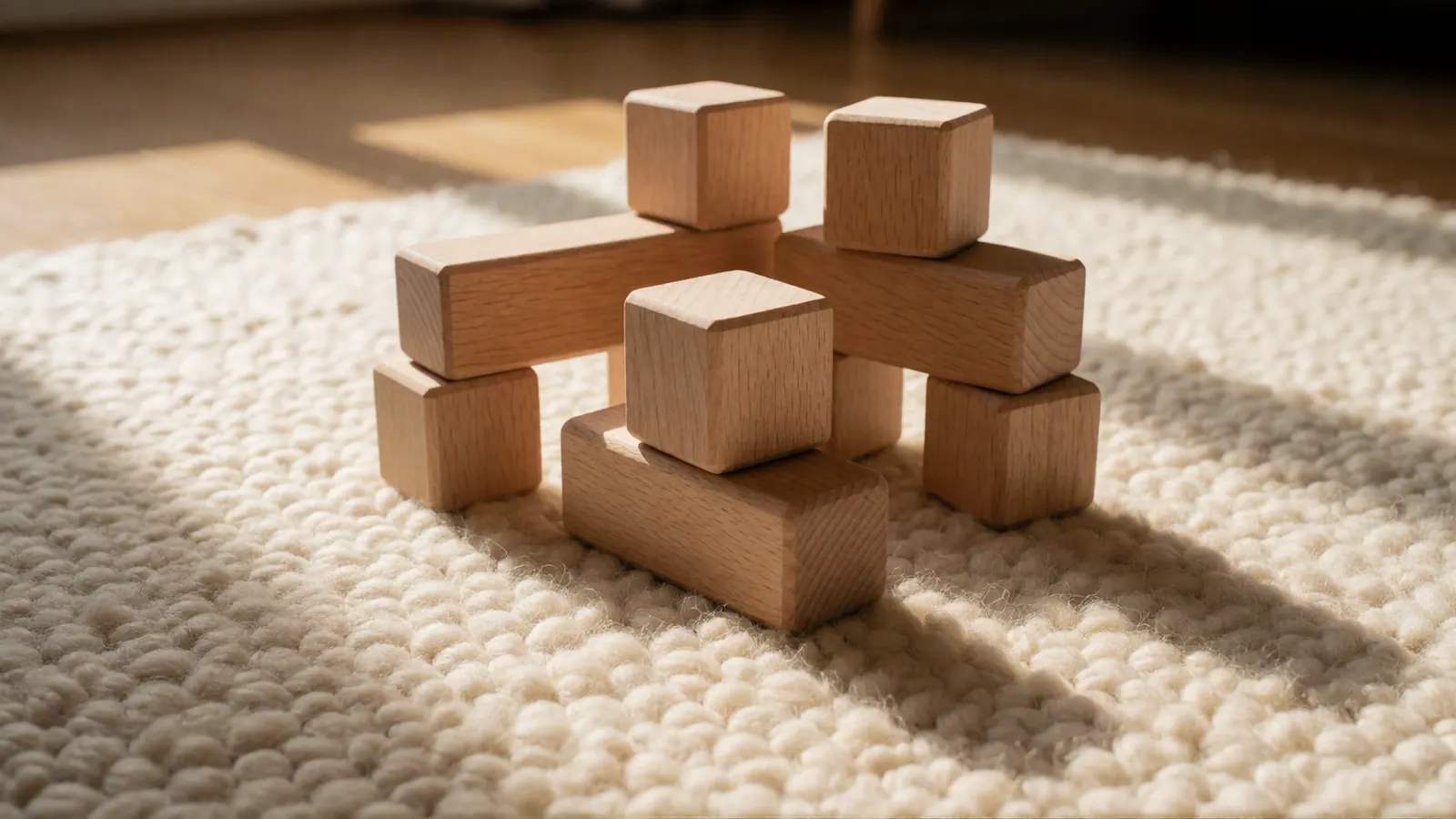
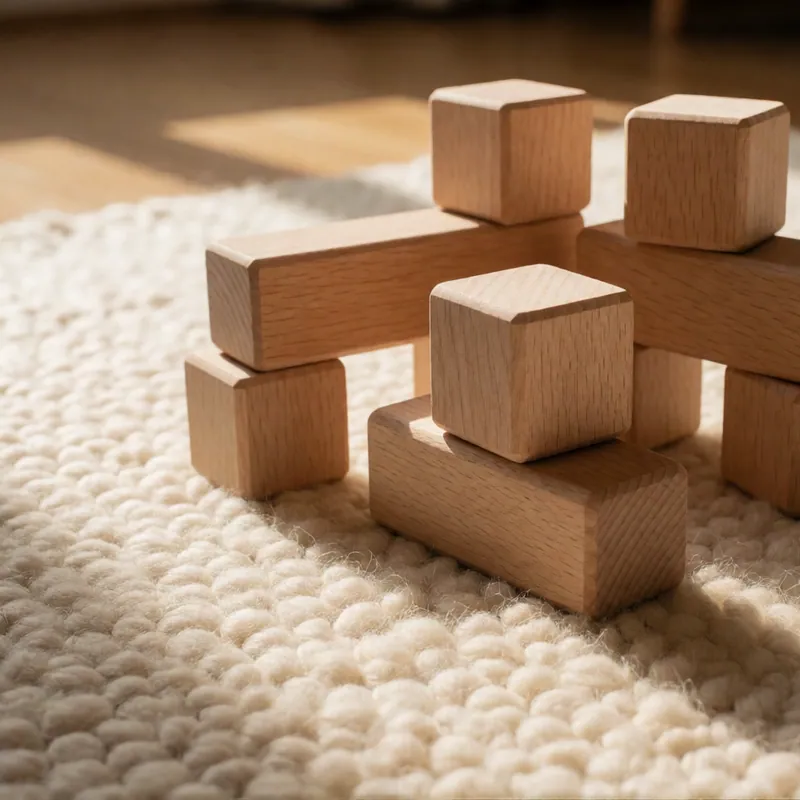
Open-ended materials: blocks, cloth, water, sand, boxes, loose parts, things that do more than one thing. A toy with a single correct use teaches a child to find the correct use. A plank teaches them to have an idea.
And adults who are close, watching, and mostly not intervening. The skill in this room is knowing when to say nothing, which is much harder than knowing when to help and is what thirty-one years of experience actually buys.
What children are learning while it looks like nothing
Planning and revising a plan. A child building a ramp is forming a hypothesis, watching it fail and changing it, several dozen times in a morning, with more persistence than any adult could induce with a worksheet.
Negotiation, which is the hardest and least teachable thing on the list. Two children and one plank is a problem with no adult-supplied answer, and the working-out is the curriculum.
And frustration tolerance. A tower that falls is a small, survivable disappointment repeated many times a day, which is how a person learns that disappointment is survivable. That capacity is worth more at five than any letter is.
Where adults do intervene
To extend rather than to correct. Adding a material, asking a question that opens something, putting two children who are working on the same idea near each other.
To protect a piece of work. A construction that has taken forty minutes does not get tidied away at the end of the session — it stays up, sometimes for days, because the child intends to come back to it and a room that erases work every evening teaches that work is not worth continuing.
And to keep everybody safe, which is the only non-negotiable interruption. Risk in play is valuable; a child climbing higher than they can get down from is a supervision matter rather than a philosophical one.
What we are not claiming
That this makes children cleverer. It is a research literature about populations and this is a nursery talking about your particular child, and the distance between those two things is where most early-years marketing lives.
What we will claim is narrower and defensible: that long uninterrupted play is what the majority of the early-years field regards as appropriate for under-fives, that it is what we do, and that we will not swap it for something more visible because a family asked.
We do not teach reading to four-year-olds. We do not teach reading, worksheets or timed drills to children under five, and we will not start because a family asks. The year before kindergarten is best spent on stamina, independence, language and getting on with other children — managing a coat, a lunch, a queue and a toilet, and asking an adult for help. A four-year-old who can do those things and cannot yet read is ready for school. A four-year-old who can read and cannot do those things is not, and no nursery selling you the first list will tell you that.
Included as standard
What is included
A ninety-minute morning play period
Protected. The single most important structural decision in the day.
Open-ended materials
Blocks, cloth, water, sand, boxes and loose parts. Things that do more than one thing.
Work that stays up
A construction that took forty minutes is not tidied away at the end of the session.
Adults close and mostly quiet
The skill is knowing when to say nothing, which is what long experience actually buys.
Extension rather than correction
A material added, a question asked, two children with the same idea put near each other.
Risk kept in
Climbing, carrying, balancing. A child who is never allowed to misjudge cannot learn to judge.
No worksheets in any room
And a published argument for why, which we will not change on request.
No supplement
Every room, every day. There is no premium curriculum tier here.
When to make an appointment
Signs this is worth an assessment
- You want your child's day built around depth rather than around a timetable.
- You are comfortable with a nursery that does not send home a worksheet every evening.
- You want somebody to protect an hour and a half of uninterrupted time.
- You would rather your child learned to have an idea than to find the correct answer.
- You want risk kept in the day rather than designed out of it.
- You want a nursery that will tell you what it is not claiming as well as what it is.
Play-based learning — what it costs
- Every room, every day, no supplement. There is no premium curriculum tier here — a nursery that charges extra for the thing it should be doing anyway is selling you back your own child's day.Included
Every rate on this site is published in full on the tuition page, including the ones that make us look expensive. Meals, snacks, nappy changing, settling-in sessions and the whole curriculum are inside the weekly fee — there is no premium tier and no outside provider invoicing you separately for a music class. The two charges that are not in the weekly fee are registration, at $75 a year per family rather than per child, and late collection after 6:15pm at $1 a minute, which goes to the two members of staff who stayed. If your child is three or four, read the 3-K page before you read this one.
Questions we are actually asked
Play-based learning — frequently asked
Is play-based learning actually teaching?
Yes, though it does not look like it from a doorway. A child building for forty minutes is planning, testing, failing and revising with a persistence no adult could induce with a worksheet. The adults are watching closely and mostly staying quiet, which is a harder skill than intervening.
Will my child fall behind?
For the things that decide how kindergarten goes — managing a day, asking for help, recovering from a setback, lasting until three o'clock — this is what builds them. There is a separate page on why we do not teach reading before five, which makes that argument properly.
Why is there no worksheet coming home?
Because a worksheet is evidence of an adult's activity rather than a child's learning, and it is produced at the cost of the play that was doing the actual work. What comes home instead is a written note about what your child actually did.
Does it cost extra?
No. There is one curriculum here, every child in every room gets it, and there is no premium tier or accelerated track. A nursery charging extra for the thing it should be doing anyway is selling you back your own child's day.
What if my child just wanders?
Then we watch to find out why, because a child who cannot settle into play is telling us something — about the materials, about the room, about another child, or about how their morning went. That is a diagnostic rather than a discipline problem.
Related programmes
Families who read this also read

Early literacy
Talking, singing, rhyming and being read to. Not worksheets, and not flashcards, and we will explain why at the tour.
Included
Art & messy play
Paint, clay, water, sand and glue. Your child will come home dirty, and a nursery where they do not is a nursery where something has been cancelled.
Included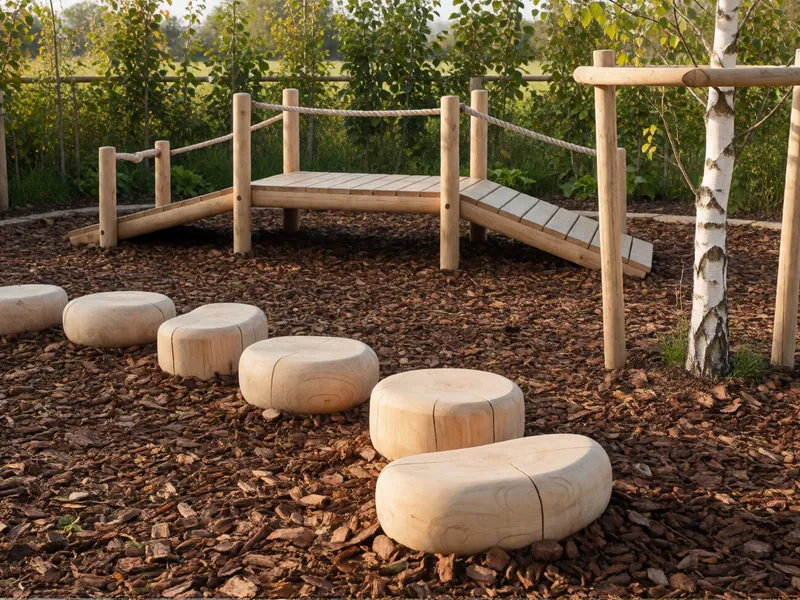
Outdoor play
Twice a day in almost all weather, in our own enclosed yard. The published exceptions are heat, ice, thunder and air quality.
Included
Kindergarten readiness
Managing a coat, a lunch, a toilet, a queue and six hours away from home. Reading is not on this list and does not need to be.
IncludedTuesday and Thursday mornings, while the children are here
Come and see the room
A tour here happens during a session, in the room your child would actually be in, at the time of day they would be in it. You meet the person who leads that room rather than only the director, and you see the noise and the mess that are genuinely there. It takes an hour. If your child is three or four we will ask whether you have applied for free 3-K or Pre-K for All before we quote you a rate, because a good many families should not be paying us at all.