
Schedules and hours
Half-day program, half past seven until half past twelve
Five hours including a cooked lunch, at seventy per cent of the full-day rate. The obvious question is why it is not fifty, and the answer is on this page rather than in a footnote.
A half day suits a great many families: a parent working mornings, a child easing into nursery for the first time, a household where somebody is home in the afternoon. It is a genuinely good product and we would rather more nurseries offered it.
It ends after lunch rather than before it, deliberately. A child collected at half past eleven has had the morning and missed the meal, which makes the morning worse and the afternoon at home harder.

Why it is seventy per cent and not fifty
Because the place is held all day. Our permit caps how many children may be on these premises at any moment, and that cap counts children present rather than children enrolled — so a half-day place is a permitted place that cannot simply be sold again in the afternoon to somebody else.
For it to cost half, we would have to reliably fill every afternoon with a second child needing exactly the complementary shape. That family exists occasionally and not systematically, and a business model built on them would break in a month.
The alternative — pricing at half and making up the difference elsewhere — means either overbooking the room or quietly raising what full-time families pay. We would rather publish the seventy and explain it.
Who it works for, and who it does not
It works for a parent with a genuinely fixed morning commitment, for a first child easing in, and for families using it alongside a free 3-K or pre-K place that starts later in the day.
It works less well as a way of saving money on full-time care. Per hour it is more expensive than a full day, and a family stretching to make a half day work when they actually need a full one usually ends up paying for extra hourly sessions on top at a worse rate.
If you are in that second position, say so. Fixed part-time days at forty-five or sixty-five per cent are frequently the better arithmetic and we will do it with you plainly.
Our permit caps how many children may be here at once. Our permit states the maximum number of children who may be on these premises at any moment the programme is operating, set by the Health Department from the space, the teaching staff and the certificate of occupancy. That number counts children present, not children enrolled — so an hourly child takes up a permitted place in exactly the way a full-time child does. This is the honest reason we cannot always say yes to a drop-in, and the reason to be sceptical of anybody in New York City advertising unlimited same-day availability. It is a legal ceiling, not a scheduling preference.
Included as standard
What is included
7:30am to 12:30pm
Five hours, ending after lunch rather than before it.
Breakfast and a cooked lunch
Both included. A child collected before the meal has had a worse morning and a harder afternoon.
The full curriculum for the hours attended
The morning play period is the longest and most protected part of the day, and it is entirely within these hours.
The same room and the same adults
A half-day child belongs to a room rather than floating between them.
Settling sessions, unbilled
The same two weeks as any other schedule.
Nappy changing included
As in every room. Nappies and wipes from home.
Occasional extra hours at the hourly rate
Where a place is genuinely free that day, at $28 an hour with a two-hour minimum.
An honest comparison against part-time days
If fixed days would cost you less, we will say so rather than sell you this.
When to make an appointment
Signs this is worth an assessment
- You work mornings and are genuinely free from lunchtime.
- Your child is starting nursery for the first time and a full day is a lot.
- You have a free 3-K place that begins later in the day and need the front end covered.
- Somebody is at home in the afternoons and you would rather they were together.
- You want lunch to be part of it rather than a thing you go home and do.
- You want the pricing logic explained rather than presented.
Half-day — what it costs
- Deliberately not 50%. A half-day child occupies a permitted place that cannot be sold twice, and pretending otherwise would mean either overbooking the room or quietly raising everybody else's fee.70% of the full-day rate
Every rate on this site is published in full on the tuition page, including the ones that make us look expensive. Meals, snacks, nappy changing, settling-in sessions and the whole curriculum are inside the weekly fee — there is no premium tier and no outside provider invoicing you separately for a music class. The two charges that are not in the weekly fee are registration, at $75 a year per family rather than per child, and late collection after 6:15pm at $1 a minute, which goes to the two members of staff who stayed. If your child is three or four, read the 3-K page before you read this one.
Questions we are actually asked
Half-day — frequently asked
Why is a half day not half price?
Because the place is held all day. Our permit caps children present rather than children enrolled, so a half-day place is not resold in the afternoon. Pricing it at half would mean either overbooking the room or raising what full-time families pay to cover it.
What hours is the half day?
7:30am to 12:30pm, ending after lunch rather than before it. Breakfast and the cooked lunch are both included.
Can I add extra hours occasionally?
Yes, where a place is genuinely free that day, at $28 an hour with a two-hour minimum. If you find yourself doing it most weeks, fixed part-time days are almost certainly cheaper and we will say so.
Is it cheaper than full-time per hour?
No, it is more expensive per hour, and that is worth knowing before you choose it. A half day is the right answer when your afternoons are genuinely free, not as a way of economising on care you actually need all day.
Does my child miss the important part of the day?
No — the long protected morning play period sits entirely within these hours, and that is where most of the real work happens. What is missed is the afternoon rest period and the second, shorter play session.
Related programmes
Families who read this also read
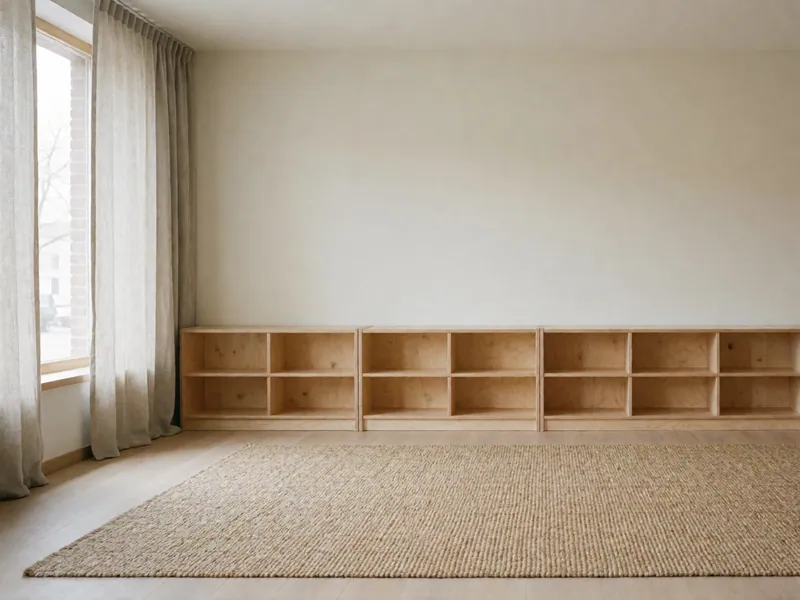
Full-day care
Seven in the morning to a quarter past six, five days a week. The schedule most families actually need and few nurseries actually keep.
From $345 / week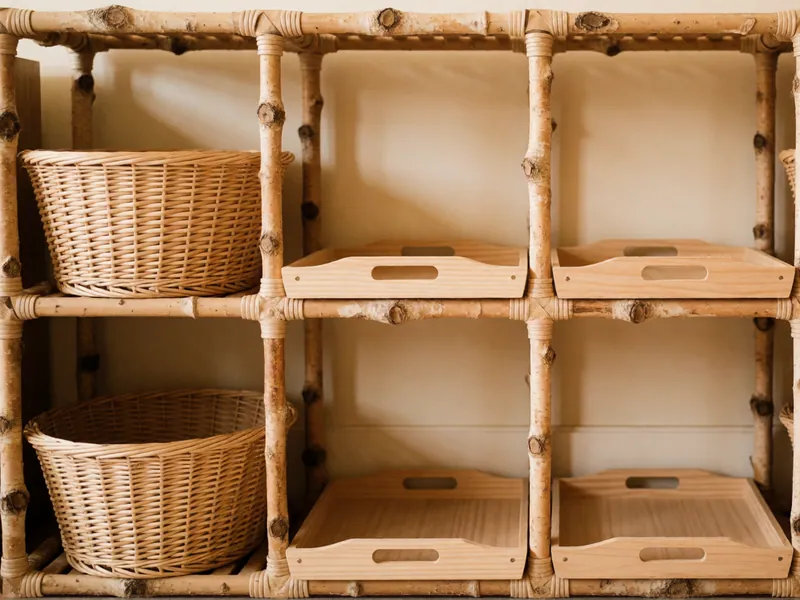
Part-time
Fixed days only, and we will tell you plainly which combinations we can actually staff before you rearrange your work around one.
45% or 65% of full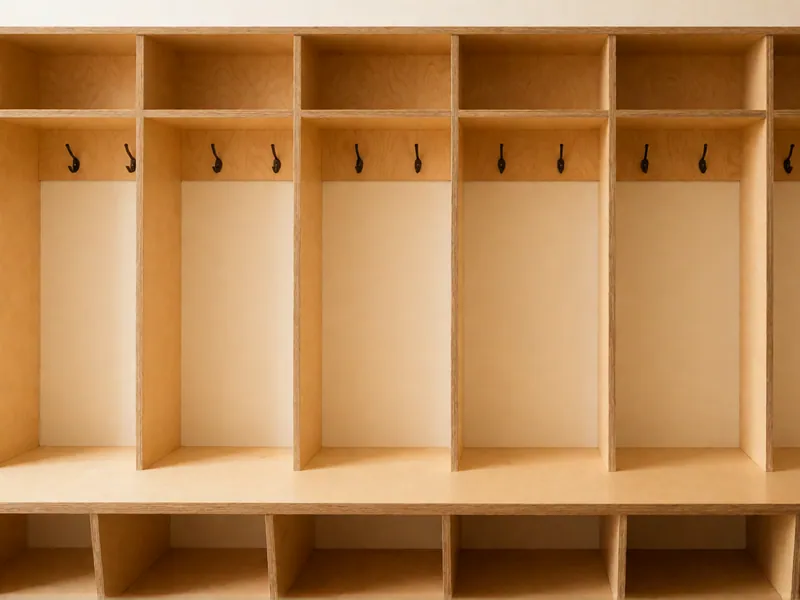
Hourly & drop-in
Genuinely hourly, genuinely bookable, and genuinely limited — because our permit caps how many children may be in the building at once.
$28 / hour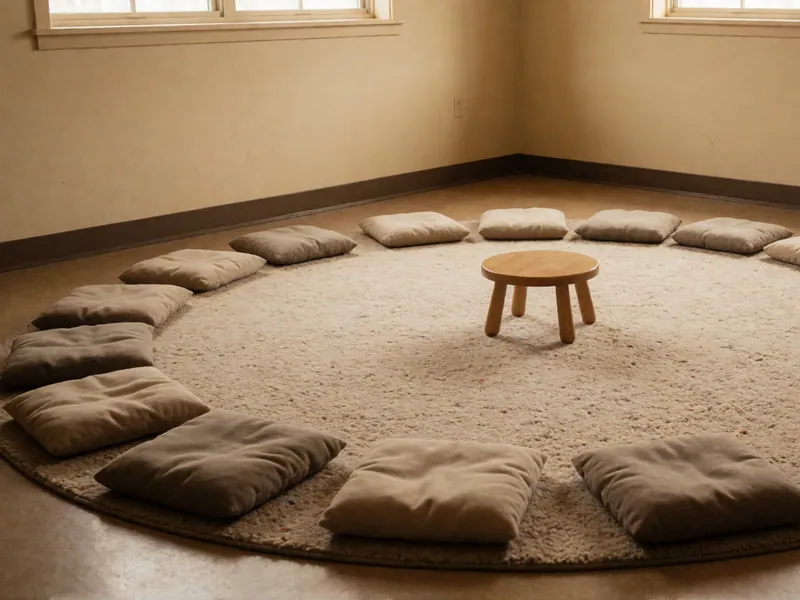
Preschool
Read the 3-K page before you read this one. If your child is eligible, the City will do this for nothing and we would rather you knew.
$365 / weekTuesday and Thursday mornings, while the children are here
Come and see the room
A tour here happens during a session, in the room your child would actually be in, at the time of day they would be in it. You meet the person who leads that room rather than only the director, and you see the noise and the mess that are genuinely there. It takes an hour. If your child is three or four we will ask whether you have applied for free 3-K or Pre-K for All before we quote you a rate, because a good many families should not be paying us at all.