Food, rest and care
Meals and nutrition
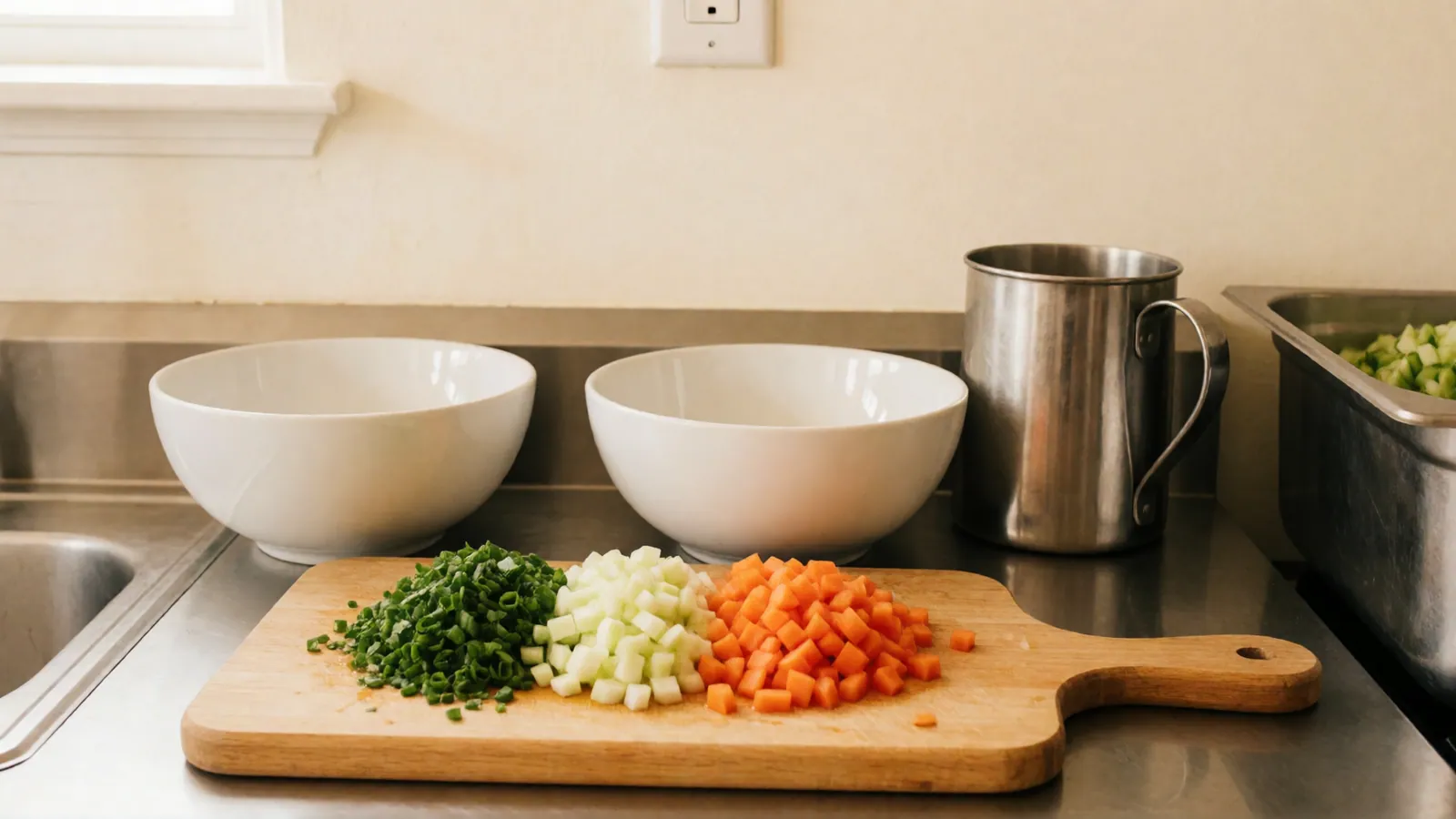
Breakfast, a cooked lunch and two snacks, made in the kitchen in this building by somebody whose name you know. Included, with no packed lunch required.
Whether a nursery cooks on site or takes a delivery is one of the more revealing things about it, and it is rarely on the website. A delivered meal arrives at a fixed time in a fixed quantity, which means the day is organised around the van rather than around the children.
Sunita cooks every lunch served here. That means lunch can be twenty minutes late because a room is in the middle of something, a child who did not eat at twelve can eat at one, and a menu can change on a Tuesday because the market had something better.
What is actually served
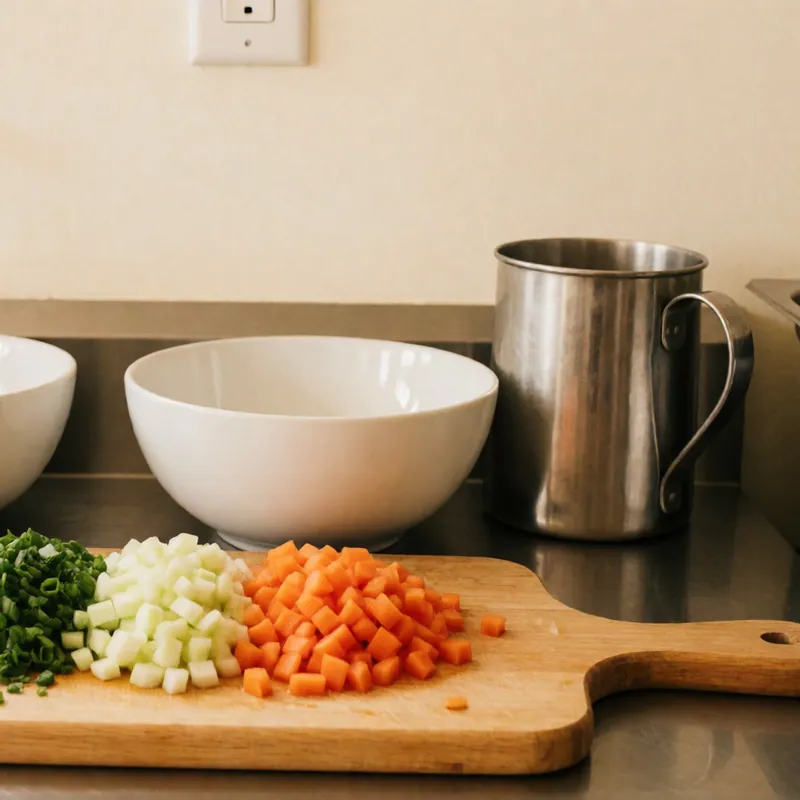
Breakfast until half past eight for anybody who wants it. A cooked lunch — one main dish for everybody, with the components separated so a child who does not want the sauce can eat the rest. Two snacks, morning and afternoon, mostly fruit, bread and milk or water.
There is more rice and there are fewer sandwiches than in a typical New York nursery, which is Sunita's doing and reflects the families who are actually here. A child who recognises the food eats the food, and a menu built on an idea of what children eat rather than on who is in the room produces a lot of full plates going back to a kitchen.
The week's menu is posted. It is the menu we cook — if something changes, the board changes, because a posted menu that is aspirational is worse than no menu at all.
How mealtimes run
Children serve themselves where they can, from bowls on the table, using real crockery and metal cutlery. Things get spilled and broken and that is the price of a two-year-old learning to pour from a small jug.
Adults sit and eat with them rather than standing and supervising. A meal is a social event and the conversation over it is one of the better language opportunities in the day.
Nobody is made to eat anything, nobody is praised for clearing a plate, and nobody is offered pudding as a reward for finishing. Those three habits reliably produce a worse relationship with food and they are easy to avoid.
What we tell you about eating
What they actually ate, in the daily note, including when the answer is almost nothing. A run of days where a child eats little is worth knowing about and is frequently the first sign of something else — a tooth, a cold, a bad fortnight socially.
We will not tell you your child ate well when they did not. This sounds like a low bar and it is the single most commonly softened piece of information in this trade, because it is the easiest thing to say at a door at half past five.
CACFP, which we are not in
The Child and Adult Care Food Program is the federal programme that reimburses licensed providers for meals meeting USDA standards — up to two meals and one snack, or two snacks and one meal, per child per day.
A for-profit centre qualifies only where at least twenty-five per cent of enrolled children are from low-income families. We do not claim to participate, and we are naming the programme rather than quietly omitting it because a family choosing between centres benefits from knowing it exists and from being able to ask each one directly.
Where a nursery does participate, that is a genuine positive and worth asking about. It is also worth knowing that participation brings USDA meal-pattern requirements with it, which is a real standard rather than a logo.
Things we do not do, including one we are not permitted to. We do not offer night care, and could not — it requires its own separate Health Code permit which we do not hold. We do not take sick children, we do not collect from schools, we do not run a minibus, we do not employ a speech therapist or an occupational therapist, we do not tutor, and we do not offer a premium curriculum tier because there is only one curriculum here. Where you need one of those, we will tell you what it is actually called and where in this borough to look for it.
Included as standard
What is included
Breakfast until 8:30am
For anybody who wants it, included.
A cooked lunch, made here
One dish, components separated, so a child who does not want the sauce can eat the rest.
Two snacks, morning and afternoon
Mostly fruit, bread, and milk or water.
A posted menu that is the real one
If something changes, the board changes. An aspirational menu is worse than none.
Real crockery and metal cutlery
Things get spilled and broken. That is the price of learning to pour.
Adults who sit and eat
A meal is a social event and one of the better language opportunities in the day.
No plate-clearing, no pudding as a reward
Three easily avoided habits that reliably produce a worse relationship with food.
An honest note about what was eaten
Including when the answer is almost nothing, which is often the first sign of something else.
When to make an appointment
Signs this is worth an assessment
- You want food cooked in the building rather than delivered in a van.
- You would rather not make a packed lunch every morning.
- You want your child to see food they recognise from home.
- You do not want your child praised for clearing a plate.
- You want to be told plainly when they have not eaten for three days.
- You want to ask a nursery a direct question about CACFP and get a direct answer.
Meals — what it costs
- No meal supplement and no packed lunch required. Where a child needs a diet we cannot cook safely, we will say so at the enrolment visit rather than after you have paid a deposit.Included
Every rate on this site is published in full on the tuition page, including the ones that make us look expensive. Meals, snacks, nappy changing, settling-in sessions and the whole curriculum are inside the weekly fee — there is no premium tier and no outside provider invoicing you separately for a music class. The two charges that are not in the weekly fee are registration, at $75 a year per family rather than per child, and late collection after 6:15pm at $1 a minute, which goes to the two members of staff who stayed. If your child is three or four, read the 3-K page before you read this one.
Questions we are actually asked
Meals — frequently asked
Is food included?
Yes — breakfast, a cooked lunch and two snacks, with no meal supplement and no packed lunch required. It is all made in the kitchen in this building rather than delivered.
Do you cook on site?
Yes, and it changes more than it sounds like it would. A delivered meal arrives at a fixed time in a fixed quantity, so the day gets organised around the van. Cooking here means lunch can be late because a room is in the middle of something, and a child who did not eat at twelve can eat at one.
What if my child is a fussy eater?
Nobody is made to eat anything, praised for clearing a plate, or offered pudding for finishing. Components are served separately so a child can eat the parts they want. What you get is an honest note about what was actually eaten, including when that is almost nothing.
Are you part of CACFP?
No. A for-profit centre qualifies for the federal food programme only where at least a quarter of enrolled children are from low-income families. We name it rather than omitting it because it is worth asking every centre on your list about directly — where a nursery does participate, USDA meal-pattern standards come with it.
Can I see the menu?
It is posted weekly and it is the menu we actually cook. If something changes on the day, the board changes with it. A posted menu that is aspirational is worse than having none at all.
Related programmes
Families who read this also read

Allergies & diets
What we can manage, what we cannot, and the difference between a preference, an intolerance and an anaphylaxis plan.
Included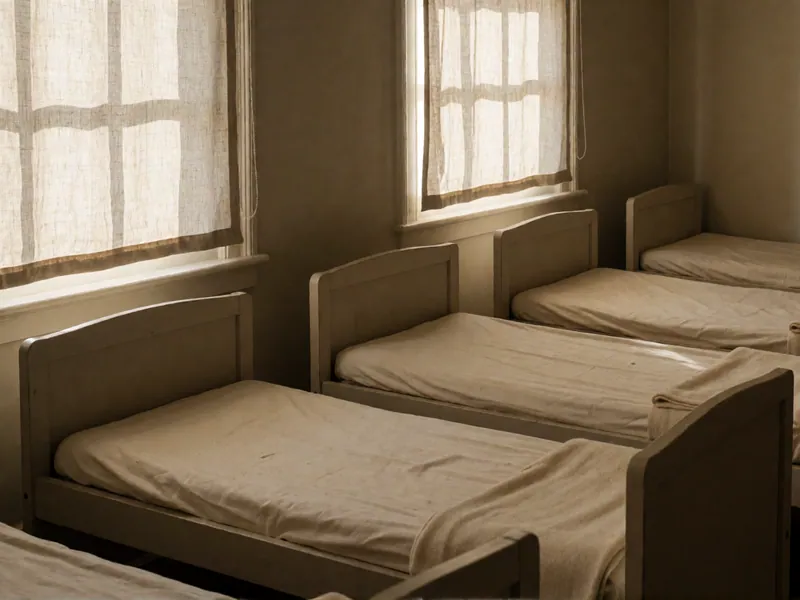
Naps & rest
Every child gets a cot, a rest period and permission not to sleep. Infants sleep on their backs, on a firm flat surface, with nothing else in the cot.
Included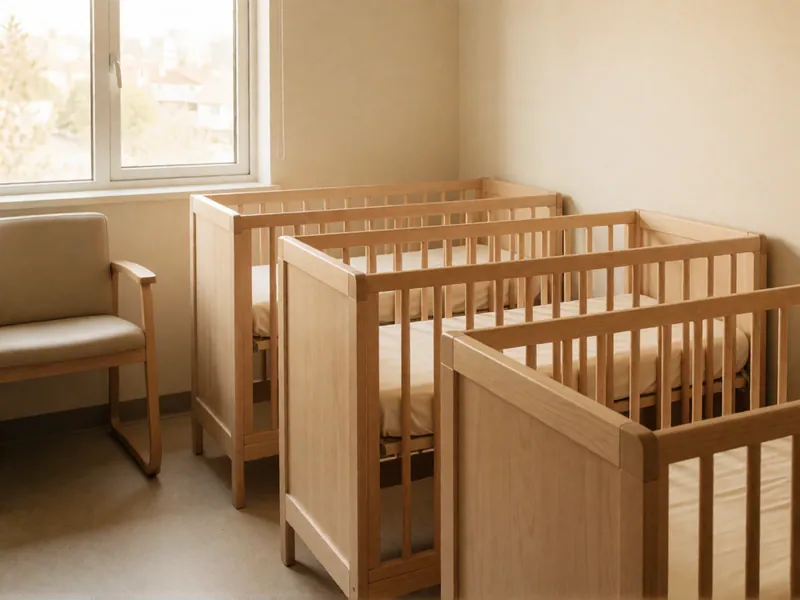
Infant care
Four infants to one educator, in a group of no more than eight, with the same two faces every day. The ratio is the whole product.
$475 / week
Summer
Nine weeks of mostly being outside, in the yard and in the two parks within walking distance. No coach, no trips out of the neighbourhood.
$385 / weekTuesday and Thursday mornings, while the children are here
Come and see the room
A tour here happens during a session, in the room your child would actually be in, at the time of day they would be in it. You meet the person who leads that room rather than only the director, and you see the noise and the mess that are genuinely there. It takes an hour. If your child is three or four we will ask whether you have applied for free 3-K or Pre-K for All before we quote you a rate, because a good many families should not be paying us at all.