Food, rest and care
Inclusion, IEPs and IFSPs
What we can genuinely support, what needs somebody we do not employ, and how we say the second one out loud before you have accepted a place.
Families of children with an IFSP or an IEP have usually been turned down before, often euphemistically, and often after being kept hopeful for weeks. That experience is common enough that a page like this needs to start by acknowledging it.
What we can offer is a straight answer, early, with the plan actually in front of us. Sometimes that answer is yes and it is uncomplicated. Sometimes it is that we can do most of it and not one part. And sometimes it is no, which we would rather say in August than demonstrate in November.
What we can support well
A child who needs more time, more warning before transitions, a quieter space, a visual routine, or an adult who stays closer than usual. All of that is ordinary good practice extended, it costs us nothing beyond attention, and there is no supplement for it.
A child whose therapist visits them here. Early Intervention and CPSE services are frequently delivered in the setting, and we make space, time and a member of staff available for that, and we do what the therapist asks us to carry on with between visits.
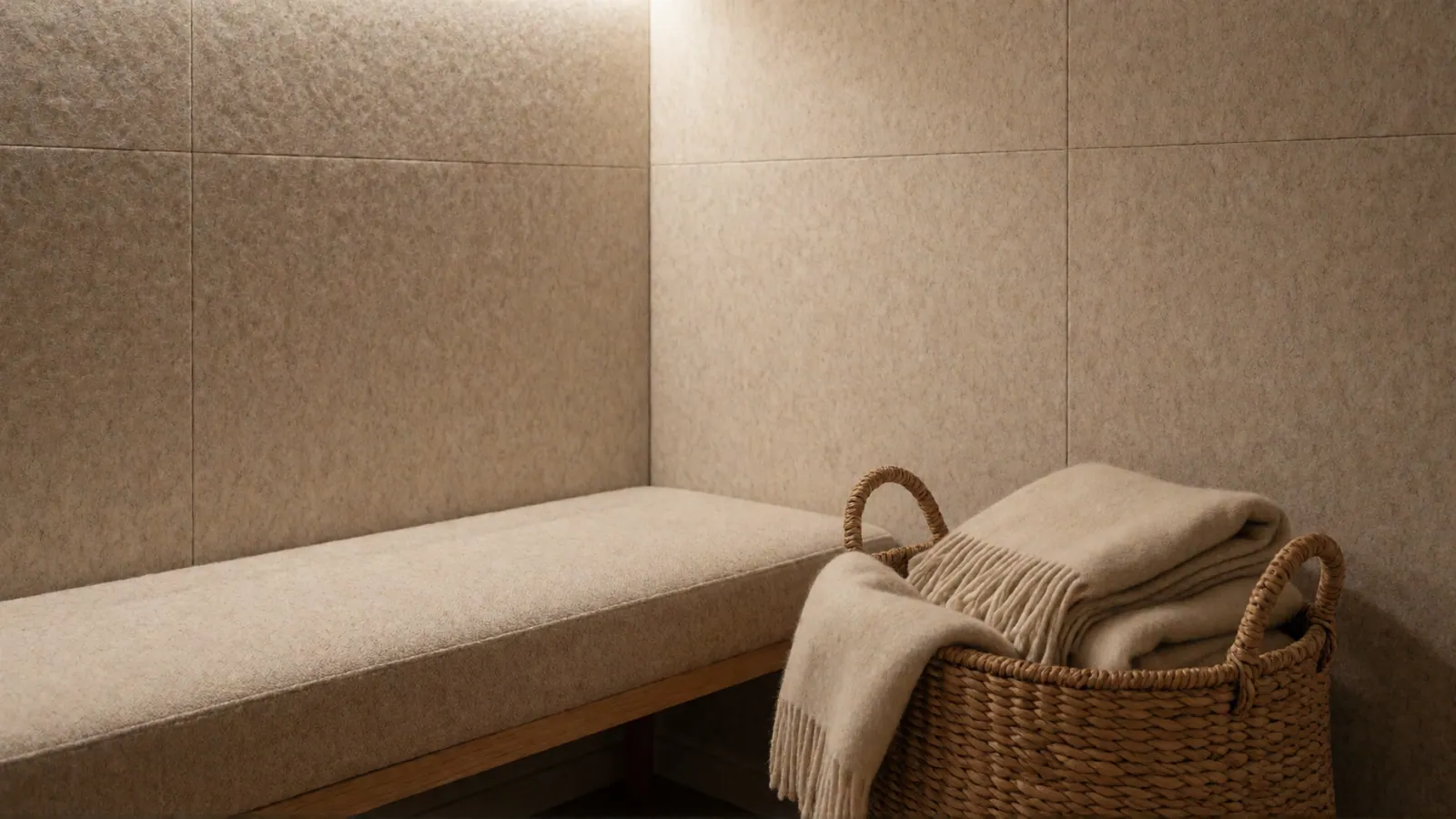
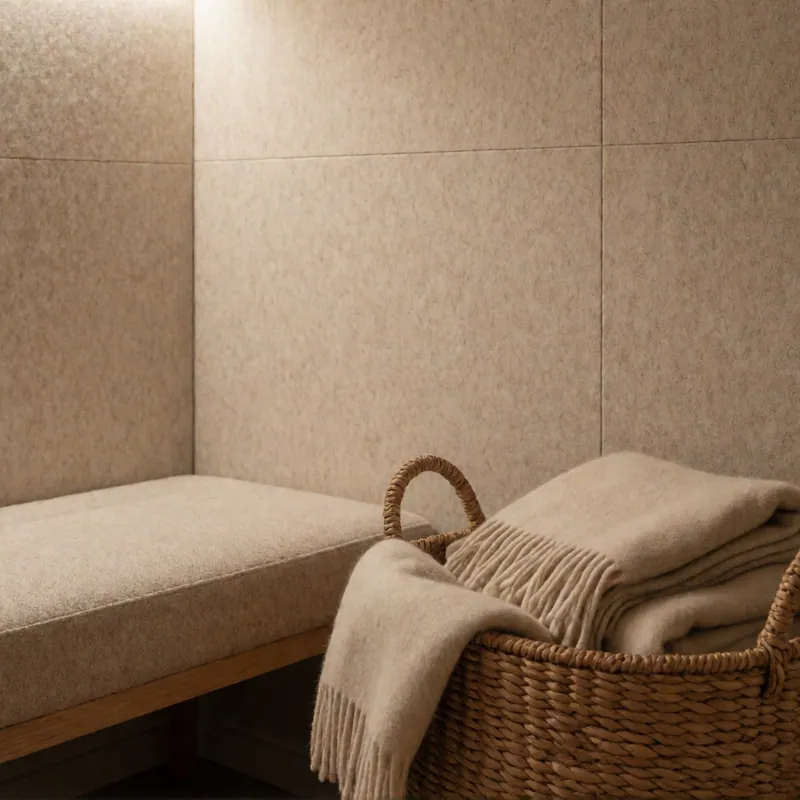
There is a separate quiet room with acoustic lining, which was built for children who need less noise and turns out to be used by a much wider range of children than that.
What we cannot do
We employ no speech and language therapist, no occupational therapist and no physical therapist, and we do not deliver therapy. Where a plan specifies a service, that service comes from the public system or from a provider you arrange, and we host and support it rather than provide it.
We do not have a nurse. A plan requiring clinical monitoring, complex medication administration or medical procedures during the day is asking for something educators cannot lawfully or safely supply.
And we cannot provide continuous one-to-one supervision inside our ordinary ratio. Where a plan requires a dedicated adult, that adult has to come from somewhere, and working out where is part of the conversation before a place is agreed rather than after.
Why the conversation happens before enrolment
Because a place accepted and then found unworkable is the worst outcome available. It costs a family months, it costs a child a second unsuccessful setting, and it is entirely avoidable by reading the plan first.
So: bring the IFSP or IEP itself to the enrolment visit. Not a description of it. We will go through it line by line, say what we can carry, name what we cannot, and where the answer is no we will say so directly rather than going quiet and letting a waiting list do it for us.
We will also tell you what we would need in order to say yes, where that is knowable. Sometimes the gap is a therapist's visiting schedule or a funded aide, and knowing that gives a family something to work with rather than a closed door.
Once a child is here
The plan is known by everybody in the room, not filed in an office. Its targets get built into ordinary activity rather than delivered as a separate session at a table, which is both better practice and less isolating.
We attend review meetings and we contribute written observations. Four months of notes from adults who see a child on ordinary days is unusually useful evidence at a review.
And the child is a child in the room, not a case. Nothing about a plan changes who they play with, what they are offered or what is expected of them beyond what the plan actually says.
Things we do not do, including one we are not permitted to. We do not offer night care, and could not — it requires its own separate Health Code permit which we do not hold. We do not take sick children, we do not collect from schools, we do not run a minibus, we do not employ a speech therapist or an occupational therapist, we do not tutor, and we do not offer a premium curriculum tier because there is only one curriculum here. Where you need one of those, we will tell you what it is actually called and where in this borough to look for it.
Included as standard
What is included
No supplement for a child with a plan
Not now and not later.
The plan read line by line before enrolment
The document itself, at the visit, rather than a description on the telephone.
A straight answer, including no
Said directly in August rather than demonstrated in November.
What we would need in order to say yes
Where it is knowable, so a family has something to work with rather than a closed door.
Space and time for visiting therapists
Plus a member of staff, and we carry on what they ask us to between visits.
A separate acoustically lined quiet room
Built for children who need less noise, used by a much wider range than that.
Targets built into ordinary activity
Rather than delivered as a separate session at a table, which is both better and less isolating.
Attendance at reviews with written observations
Months of notes from adults who see your child on ordinary days.
When to make an appointment
Signs this is worth an assessment
- Your child has an IFSP or an IEP and you have been turned down before.
- You want somebody to read the actual document rather than hear about it.
- Your child's therapist could visit them at nursery.
- You want to know what a setting cannot do before you accept a place.
- Your child needs less noise than a typical room provides.
- You want the plan known by the people in the room rather than filed in an office.
Inclusion & IEPs — what it costs
- No supplement for a child with a plan. What we will not do is take a place and then discover we cannot meet it — so the conversation happens before enrolment, in detail, with the plan in front of us.Included
Every rate on this site is published in full on the tuition page, including the ones that make us look expensive. Meals, snacks, nappy changing, settling-in sessions and the whole curriculum are inside the weekly fee — there is no premium tier and no outside provider invoicing you separately for a music class. The two charges that are not in the weekly fee are registration, at $75 a year per family rather than per child, and late collection after 6:15pm at $1 a minute, which goes to the two members of staff who stayed. If your child is three or four, read the 3-K page before you read this one.
Questions we are actually asked
Inclusion & IEPs — frequently asked
Do you take children with an IEP or IFSP?
Frequently, and at no supplement. What we ask is that the conversation happens before enrolment with the actual plan in front of us rather than described on the telephone, because a place accepted and then found unworkable is the worst outcome for a child.
Do you provide speech or occupational therapy?
No. We employ no therapists of any kind. Where a plan specifies a service it comes from the public system or a provider you arrange, and we host it — space, time, a member of staff, and carrying on what the therapist asks between visits.
Is there an extra charge?
No. There is no supplement for a child with a plan, now or later.
What would make you say no?
A plan requiring clinical monitoring or complex medication we cannot lawfully supply without a nurse, or continuous one-to-one supervision we cannot provide inside our ratio without a funded adult. Where that is the answer we will say it directly, and we will tell you what would change it if we can.
Will my child be treated differently?
Only in the ways the plan actually specifies. Targets are built into ordinary activity rather than delivered at a separate table, everyone in the room knows the plan rather than it sitting in an office, and beyond that your child is a child in the room.
Related programmes
Families who read this also read

Observation & referral
We watch, we write it down, and where something concerns us we tell you early and point you at Early Intervention. We do not diagnose.
Included
Dual-language
Five languages are spoken by staff here. Your child keeping their home language is not an obstacle to English, and the evidence is clear about that.
Included
Social & emotional
Sharing, waiting, losing, apologising and calming down. The hardest curriculum in the building and the one that predicts school the best.
Included
Twos room
The year with the most change in it and the most patience required. Language, toilets, friendships and a great many strong opinions.
$395 / weekTuesday and Thursday mornings, while the children are here
Come and see the room
A tour here happens during a session, in the room your child would actually be in, at the time of day they would be in it. You meet the person who leads that room rather than only the director, and you see the noise and the mess that are genuinely there. It takes an hour. If your child is three or four we will ask whether you have applied for free 3-K or Pre-K for All before we quote you a rate, because a good many families should not be paying us at all.